Christmas Candy – Sweet Treats of the Season
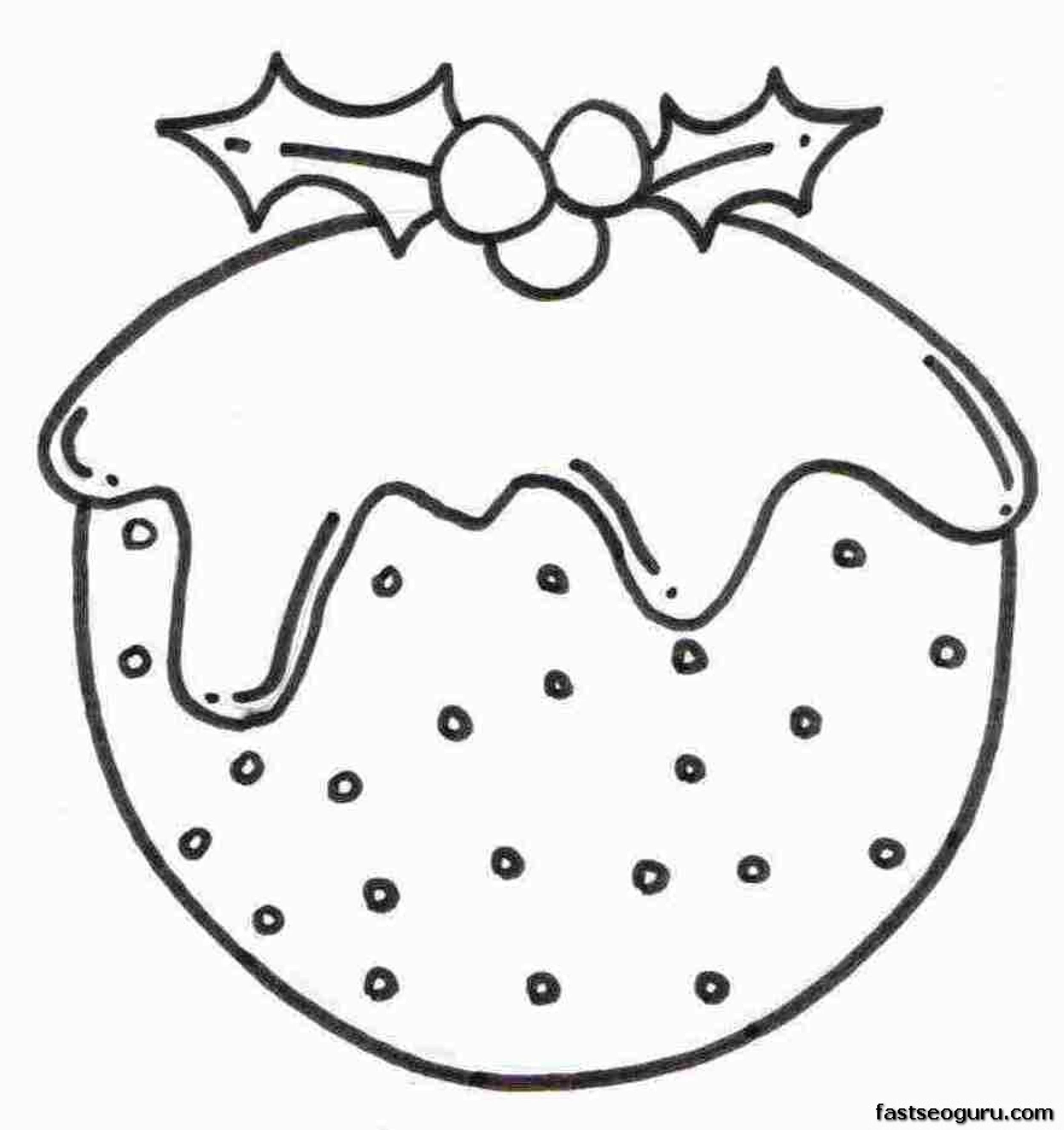
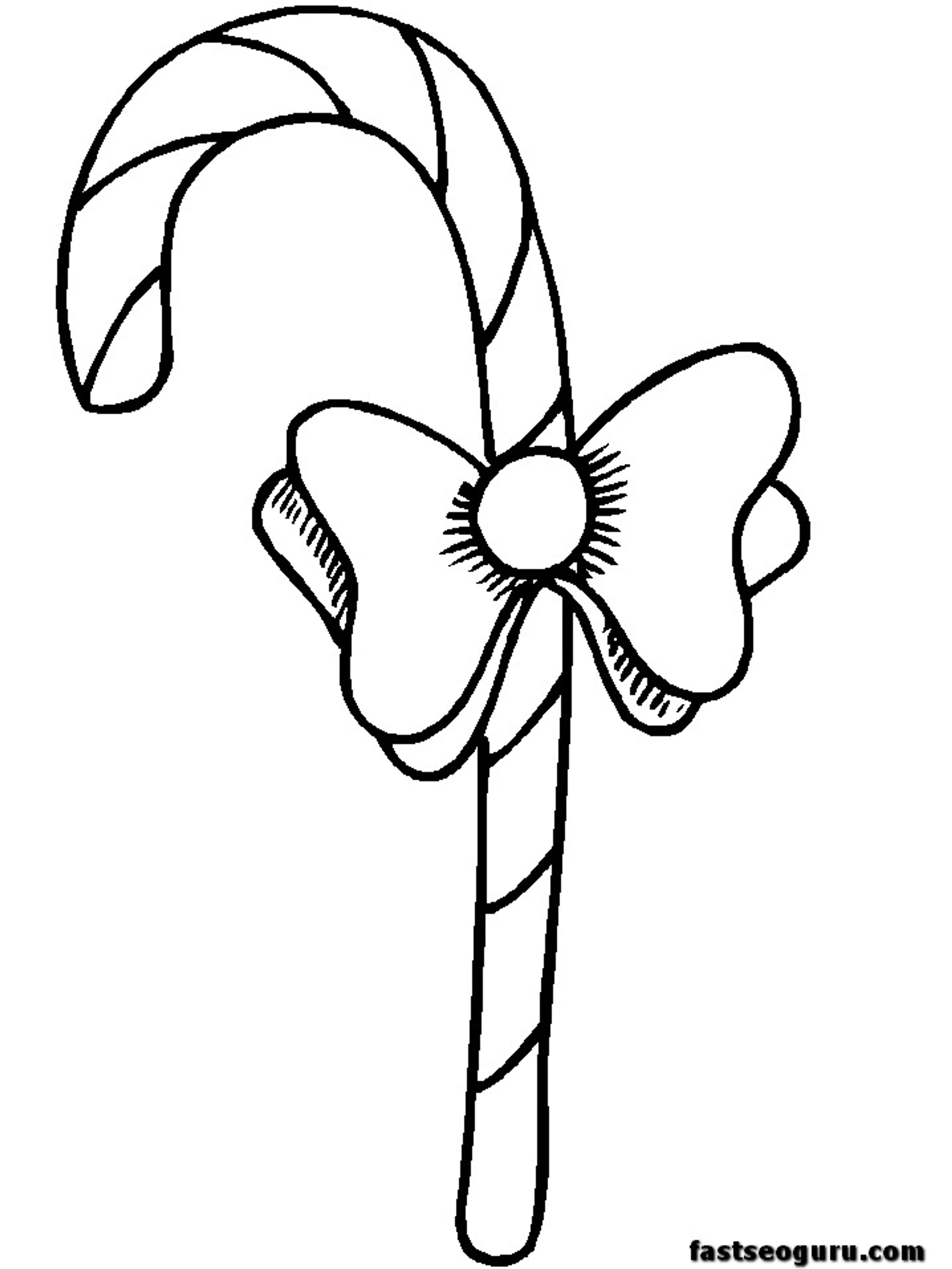
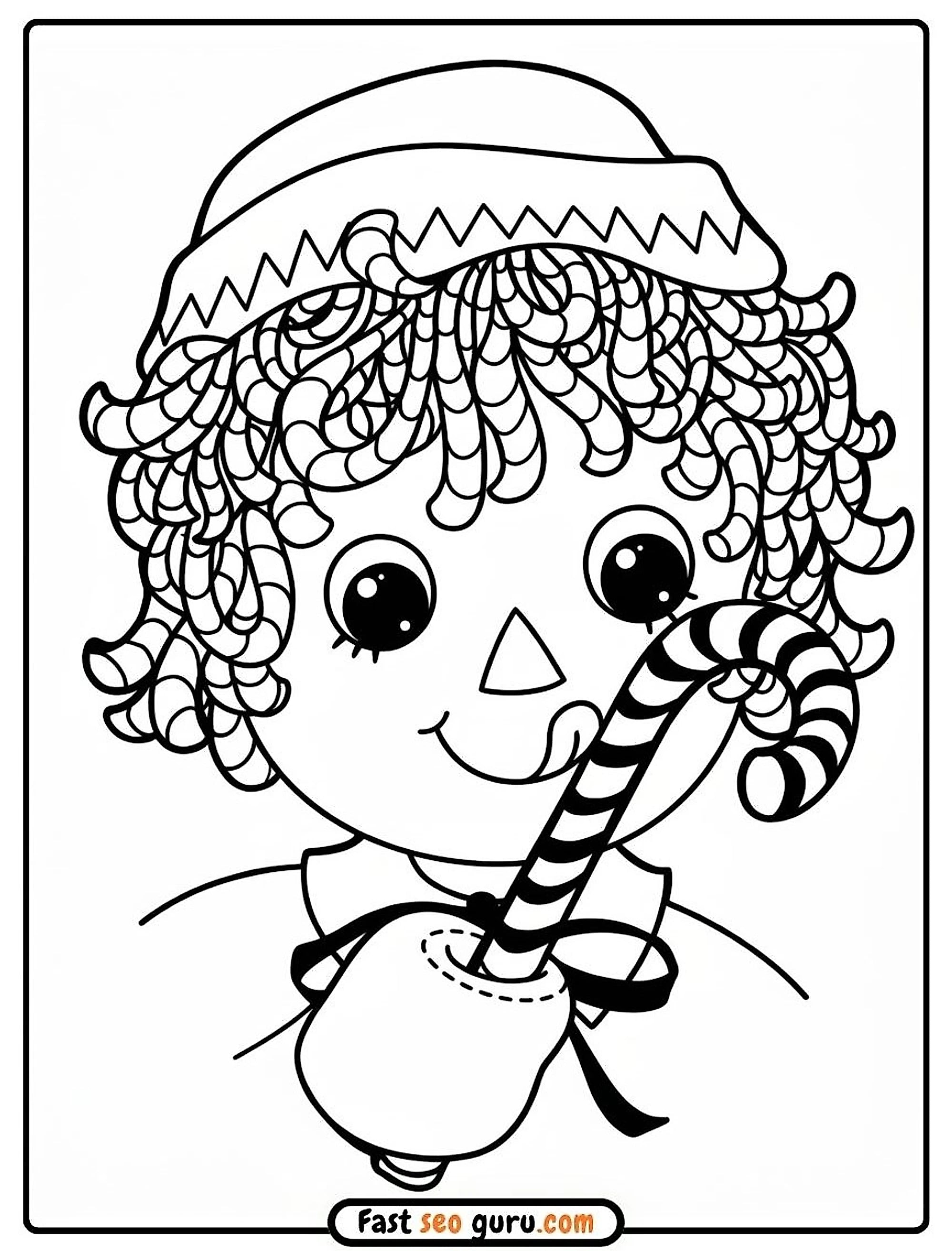
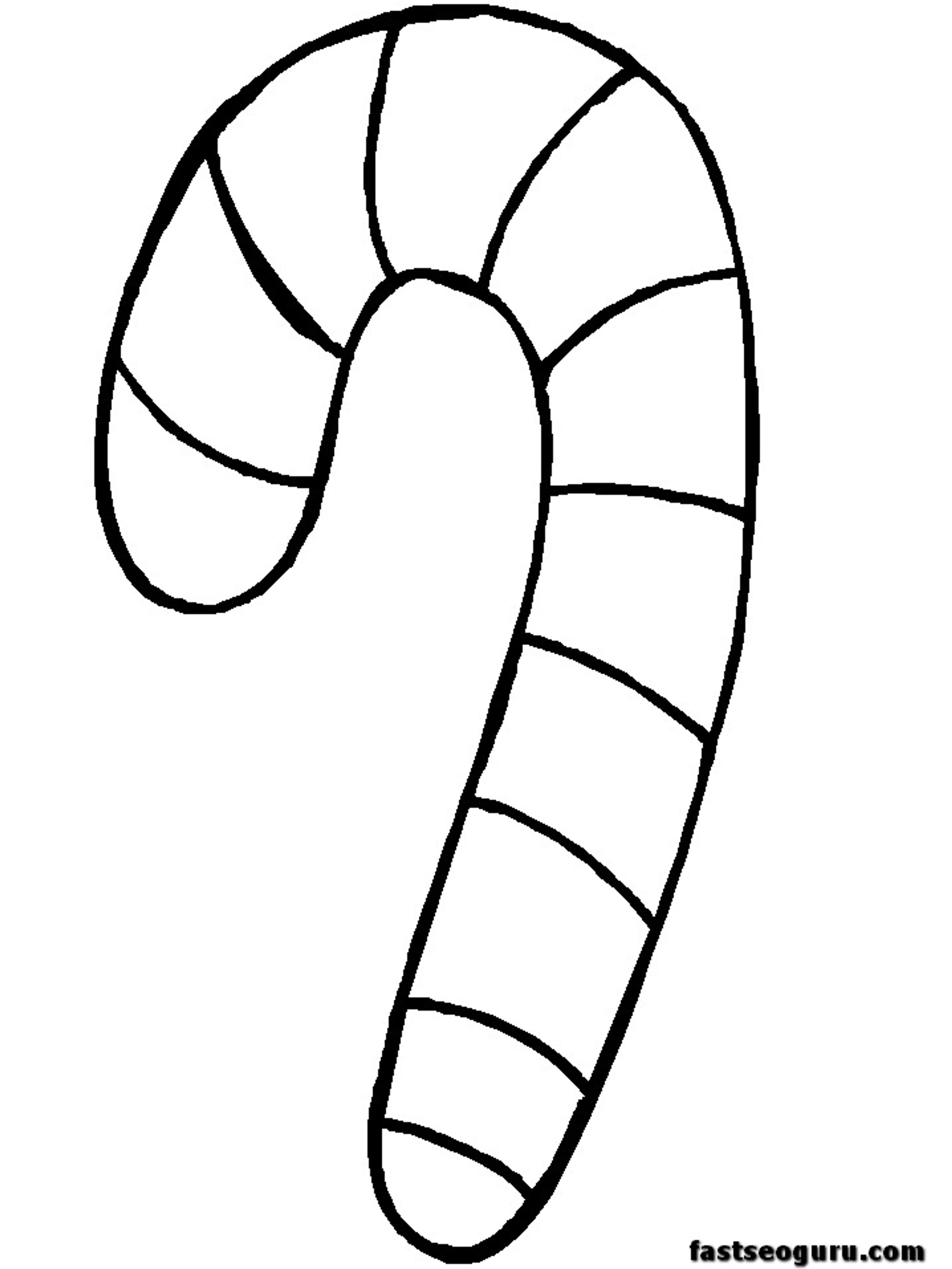
Candy is a big part of Christmas. Red-and-white candy canes hang on trees, sweets fill stockings, and treats sit on tables and in gift bags. Our collection includes cute drawings to color for young children, such as a big striped candy cane, as well as detailed pictures with swirled lollipops, wrapped sweets, and festive patterns.
Candy goes well with other Christmas themes. Children who enjoy these pages often like our Gingerbread Coloring Pages and Christmas Stockings Coloring Pages too.
The Story of the Candy Cane
The Cologne Legend
A popular legend says that in 1670, the choirmaster of Cologne Cathedral in Germany gave his young singers sugar sticks to keep them quiet during a long Christmas service. He is said to have had the sticks bent into the shape of a shepherd’s crook. This story is told often, but historians say there is little evidence to support it.
The First Documented Candy Canes
The first well-documented use of candy canes for Christmas was in 1847. A German-Swedish immigrant named August Imgard decorated a small tree in Wooster, Ohio, with candy canes. Early candy canes were plain white.
Stripes and Peppermint
No one knows exactly who added the red stripes. Christmas cards from before 1900 show all-white canes, and red-striped canes appeared in the early 1900s. Peppermint became the classic flavor, though today candy canes come in many flavors and colors.
The Candy Cane Machine
Making candy canes by hand was slow, because each one had to be pulled, twisted, cut, and bent. In the 1950s, Father Gregory Keller invented a machine that automatically bent the candy into a cane shape. His brother-in-law, candy maker Bob McCormack, used it to make millions of candy canes. Today nearly two billion candy canes are made every year.
Other Christmas Sweets Kids Can Color
Candy canes are only one part of the Christmas candy family. Children can also color:
Lollipops and swirl candies with spirals and stripes Wrapped sweets in shiny paper Gumdrops and other colorful treats Chocolate treats and candy-filled jars Candy decorations on trees and gingerbread houses
The 1823 poem “A Visit from St. Nicholas” even mentions sugar-plums, a type of small sweet, dancing in children’s heads. Children can also color sweet decorations on and .
Easy Candy Pictures to Color for Preschool and Toddlers
Candy is a fun subject for young children. A big candy cane with stripes makes an easy coloring page for toddlers and preschoolers who are building grip and color skills. Swirls, spirals, and stripes also give children practice with careful, controlled coloring.
Parents and teachers can use these coloring sheets to start simple learning conversations. Ask children to count the stripes, name the colors, or follow the swirl with a finger before coloring. These small activities turn a printable page into a gentle learning worksheet for patterns, counting, and color recognition.
Ideas for Using Candy Pictures at Home and in Class
Stripe patterns: Ask children to color a repeating pattern, such as red, white, red, white. This is a simple early math activity.
Count and sort: Count candy pieces or sort them by color.
Design your own candy: Let children invent a new candy with a name, flavor, and pattern.
Candy shop play: Color several candies, cut them out, and use them in a pretend candy shop.
Candy cane decorations: Color a candy cane, cut it out, punch a hole, and hang it on the tree with ribbon.
Homemade cards: Print a candy cane page on cardstock, color it, fold it in half, and write a message inside.
Classroom activities: Teachers can use candy pages for activity stations, early finisher tasks, and pattern lessons. For a full scene, add .
Printing Tips
Print on white cardstock for cards and decorations. Set your printer to Fit to Page and High Quality. All pages fit US Letter (8.5 x 11 in) and A4 paper. Use red and white for candy canes, or bright colors for lollipops and wrapped sweets. Kids can use any colors they like, and a green-and-gold candy cane is just as creative.
Short Fun Facts – Christmas Candy 🍬
A popular legend says a choirmaster in Cologne, Germany, gave children sugar sticks in 1670, but there is little evidence for it.
The first well-documented Christmas candy canes were used in 1847, when August Imgard decorated a tree in Wooster, Ohio.
Early candy canes were plain white, and the red stripes came later.
Christmas cards from before 1900 show all-white candy canes.
Peppermint became the classic candy cane flavor.
Father Gregory Keller patented a candy cane machine in 1957, and it was granted in 1960.
The machine helped make millions of candy canes for Bob McCormack’s company.
Today nearly two billion candy canes are made every year.
The 1823 poem “A Visit from St. Nicholas” mentions sugar-plums dancing in children’s heads.
Why Kids Love Coloring Christmas Candy
Candy is bright, cheerful, and easy to recognize. Coloring it lets children use their favorite colors and design their own sweet treats. The simple shapes are easy for beginners, and detailed swirls and wrappers give older children more to explore. Coloring builds fine motor skills, color choices, and focus, and children can also use the pages for pattern and counting games.