
Christmas Ornaments – Sparkle on Every Tree
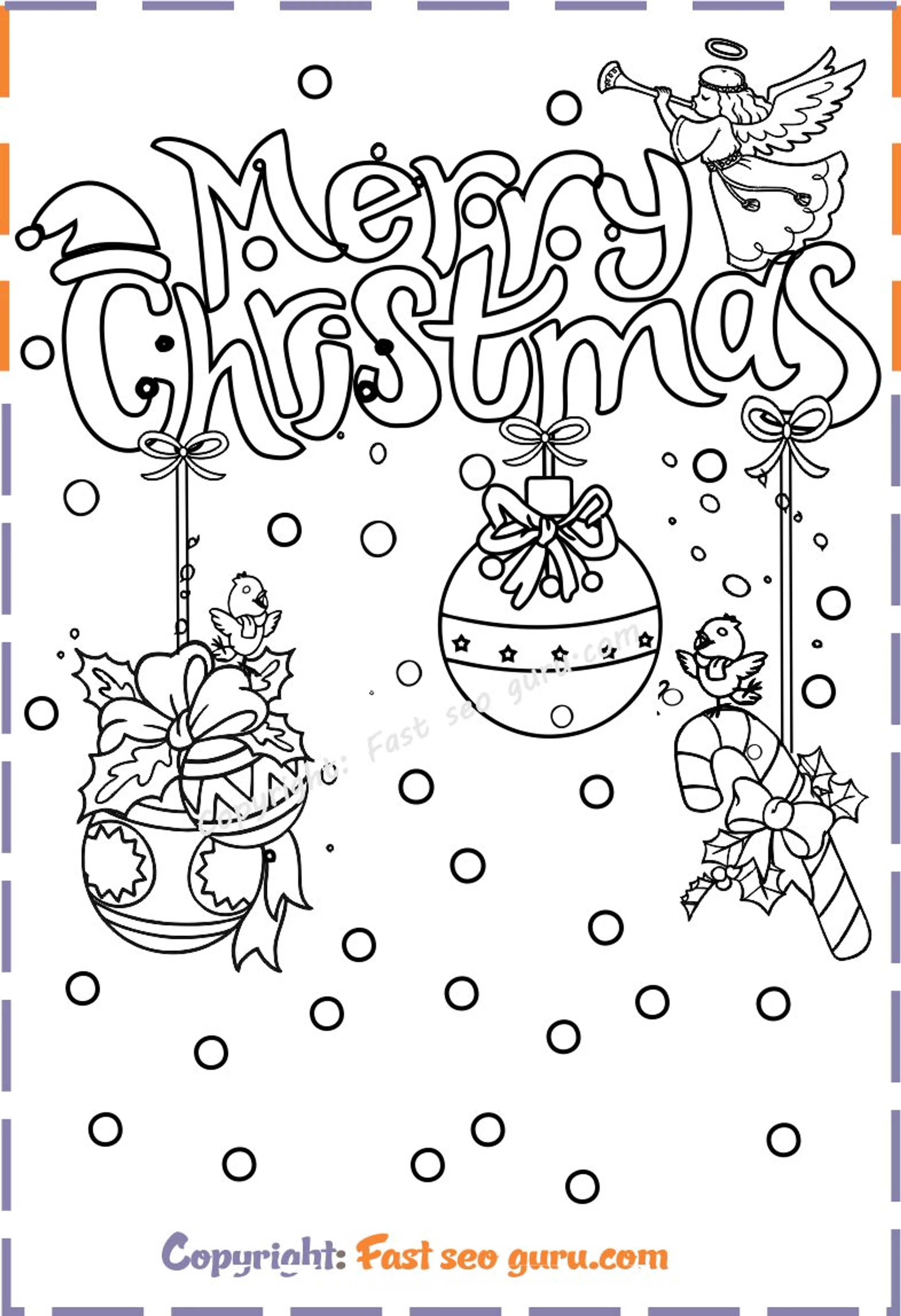
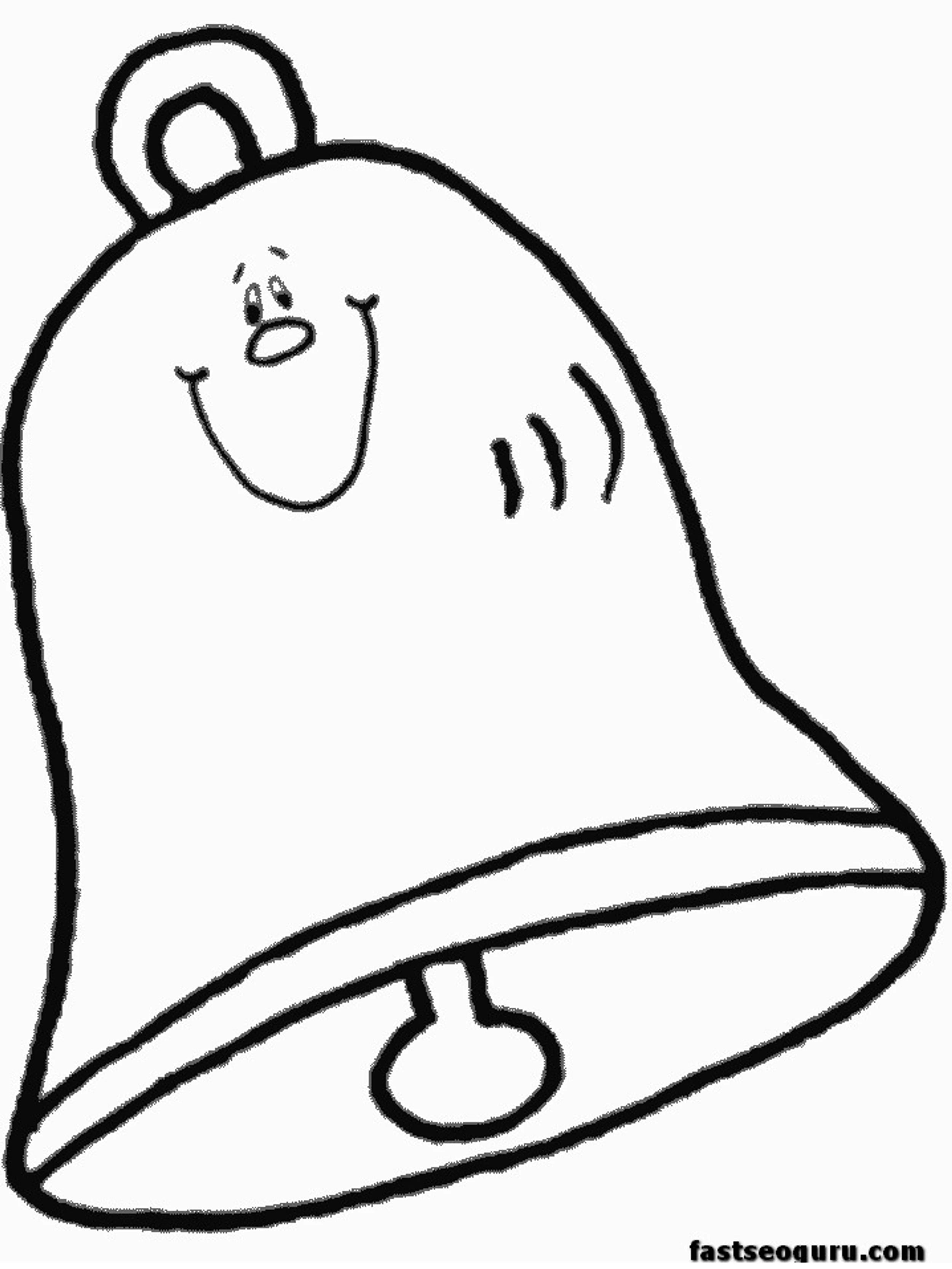
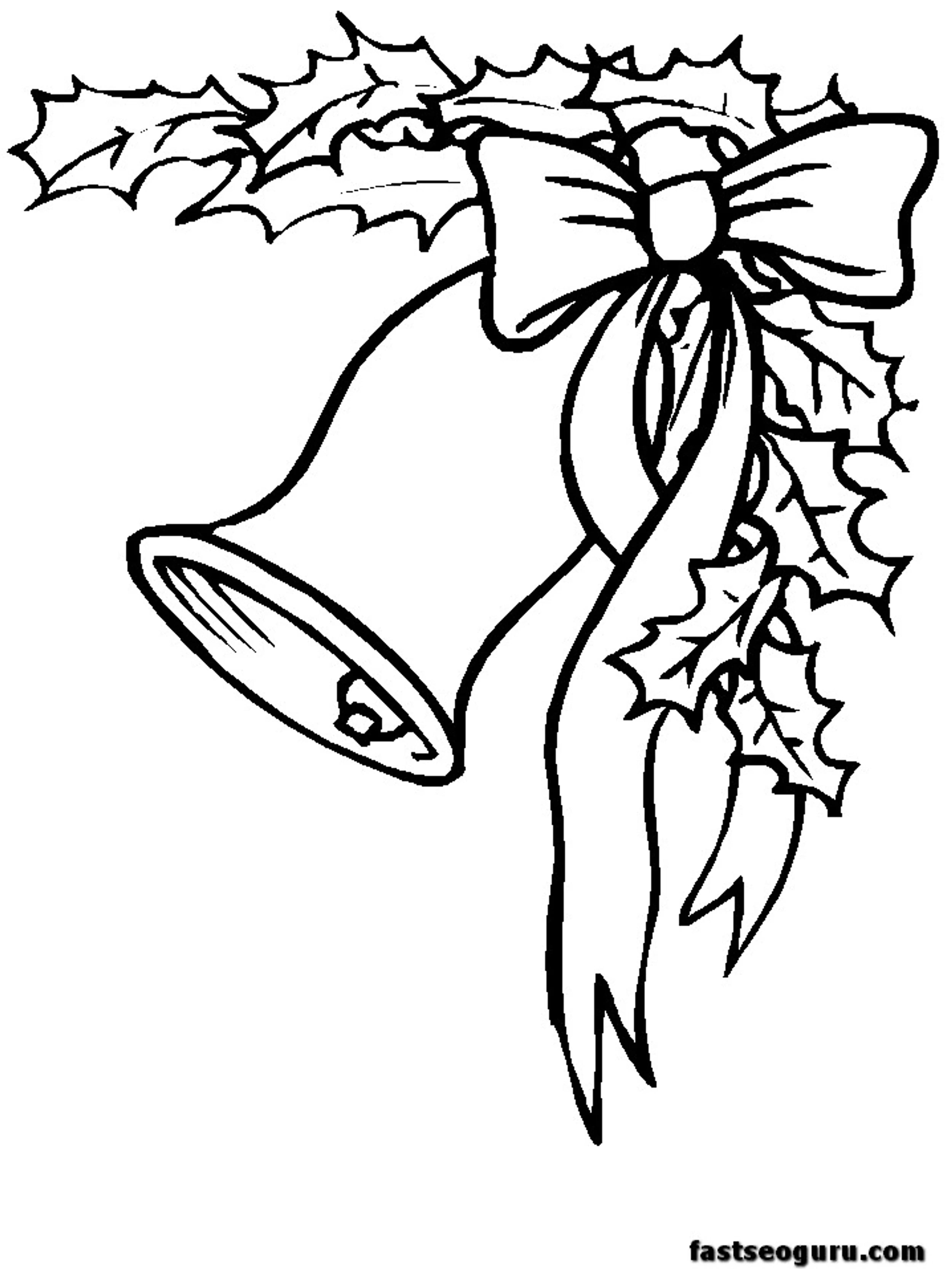
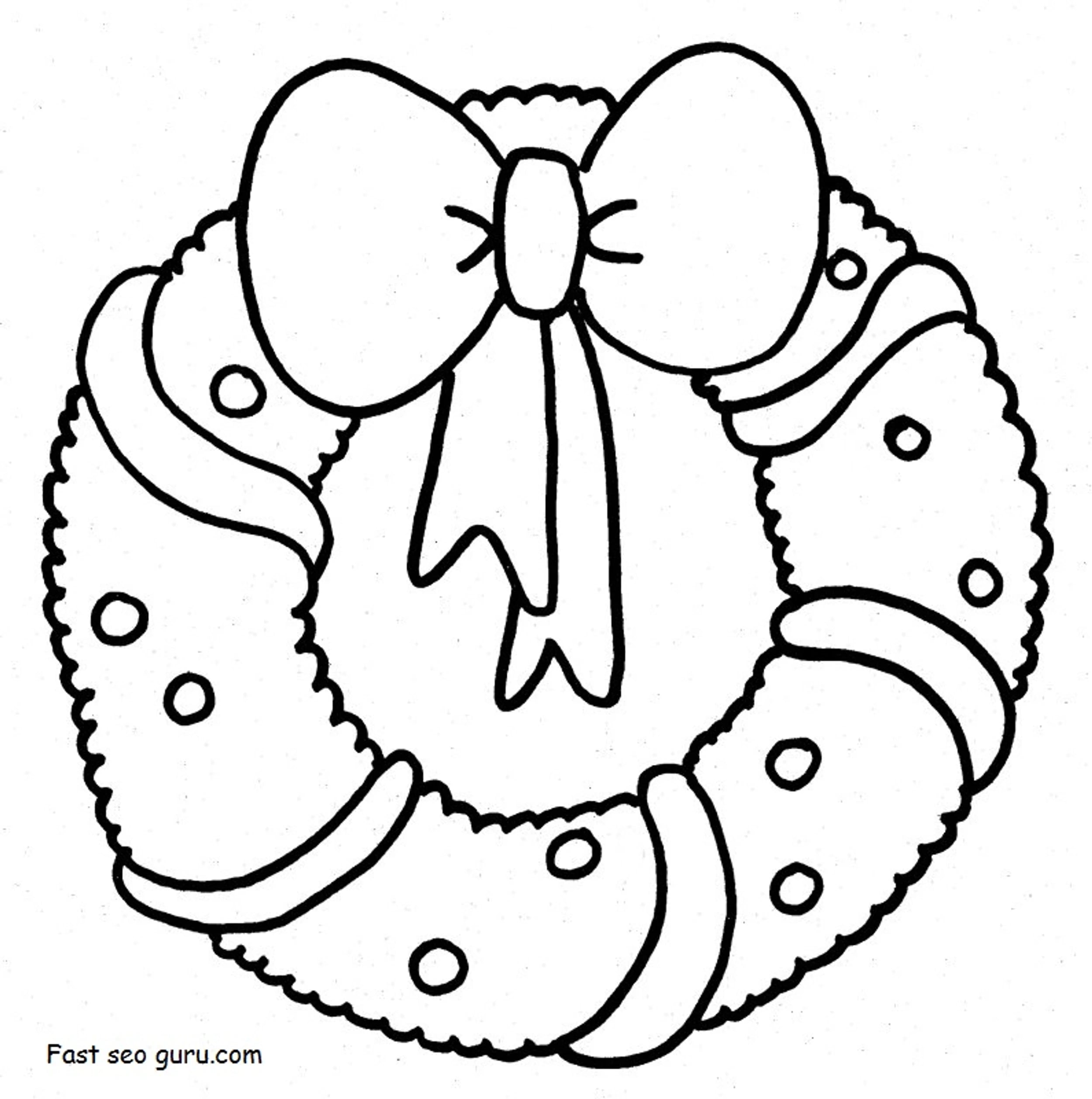
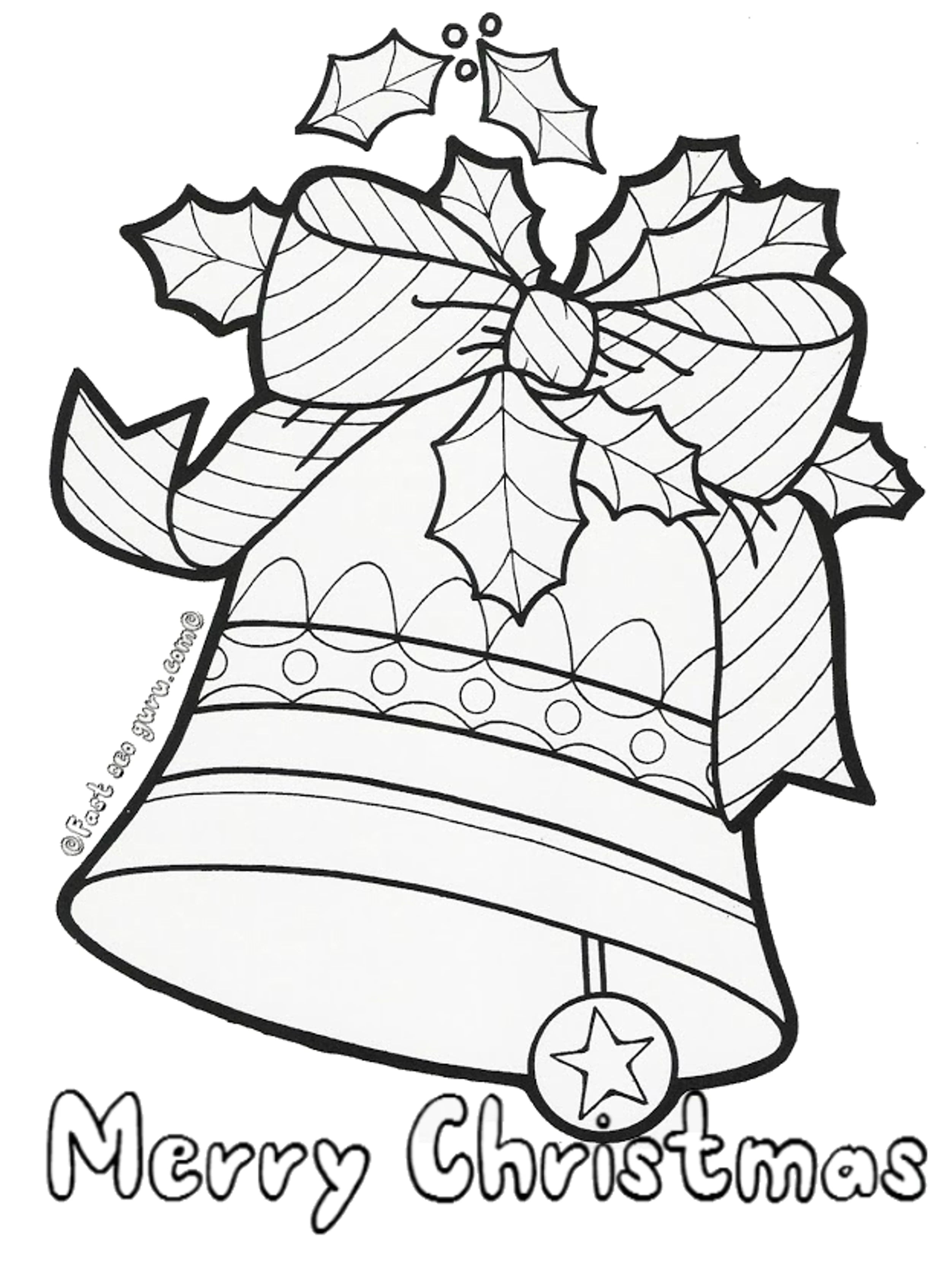
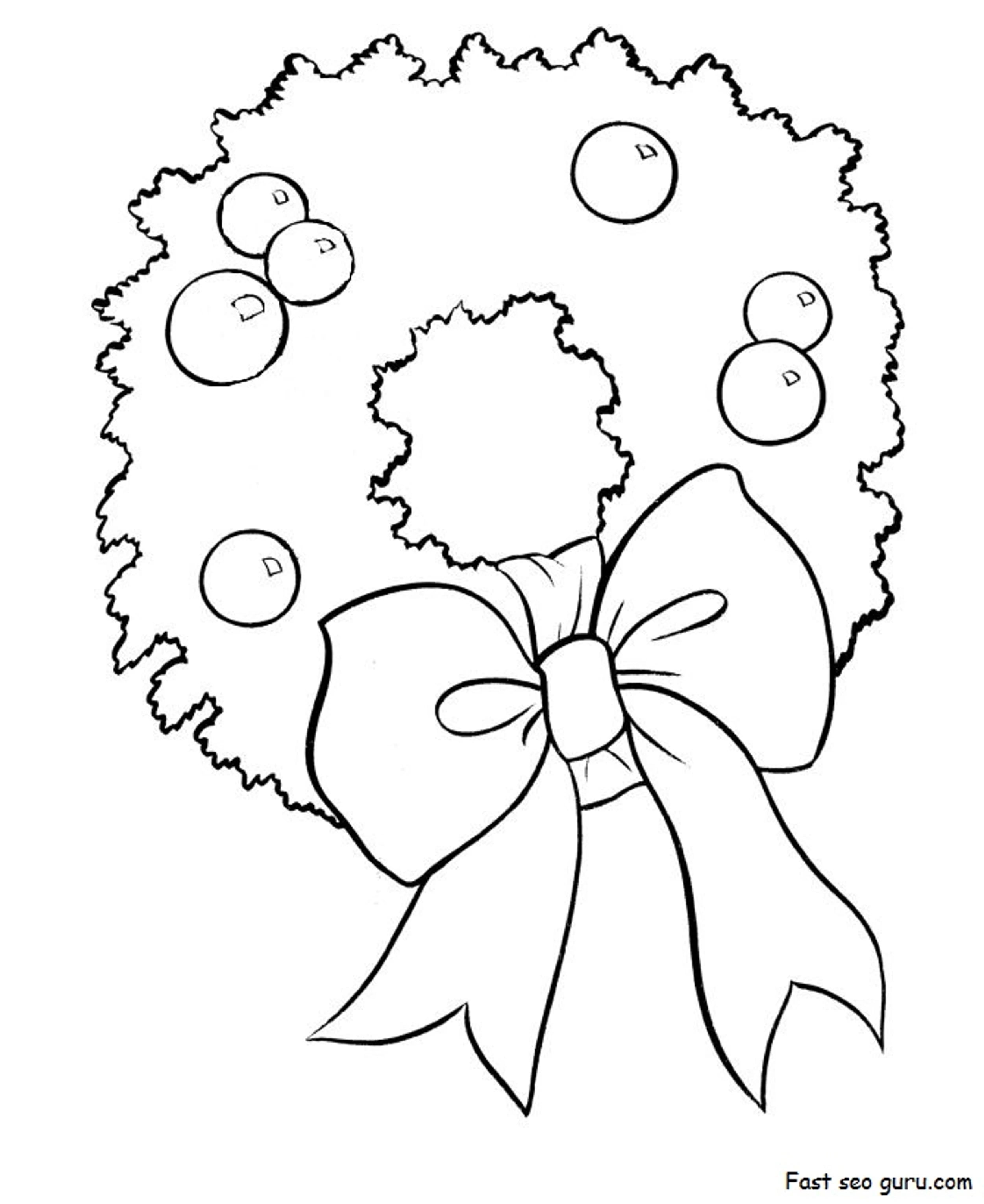
Ornaments are what make a Christmas tree special. Shiny baubles, glittering stars, tiny bells, and hand-made decorations all add color and personality. Our collection includes cute drawings to color for young children, such as a big round bauble, as well as detailed ornaments with patterns, ribbons, and snowflakes.
Ornaments go with other Christmas themes. Children who enjoy these pages often like our Christmas Tree Coloring Pages and Christmas Angel Coloring Pages too.
The History of Christmas Ornaments
Edible Decorations
The first decorated Christmas trees did not have shiny baubles. In Germany, early trees were decorated with apples, nuts, and sweets, along with pastries in the shapes of stars, hearts, and flowers. Strings of popcorn were also popular.
Glass Baubles from Lauscha
Glass ornaments came from the small German town of Lauscha, which was known for glassblowing. In the 1800s, a glassblower named Hans Greiner began making glass ornaments shaped like fruits and nuts to hang on trees. One popular story says he did so because he could not afford real apples and walnuts. Other glassblowers in Lauscha soon followed.
Queen Victoria and Woolworth
Glass ornaments became more popular in the 1840s when a London newspaper printed a picture of Queen Victoria’s Christmas tree. It was decorated with glass ornaments from her husband Prince Albert’s native Germany. In the 1880s, the American store owner F. W. Woolworth discovered Lauscha’s ornaments on a trip to Germany and began selling them in the United States.
Ornaments Around the World
Christmas ornaments are made from many materials, including glass, metal, wood, ceramics, straw, and cloth. In Poland, glass ornaments are called bombki. Many families also make their own ornaments from paper, crochet, or dough.
Ornament Shapes Kids Can Color
Common ornament shapes include:
Round baubles with stripes, dots, or snowflakes Stars and bells Candy canes and sweet treats Snowmen and gingerbread men Angels and stockings Hearts and icicles
Each one gives children a different pattern or color idea. Children who like sweet decorations can also try , and those who like winter figures can explore .
Easy Ornament Pictures to Color for Preschool and Toddlers
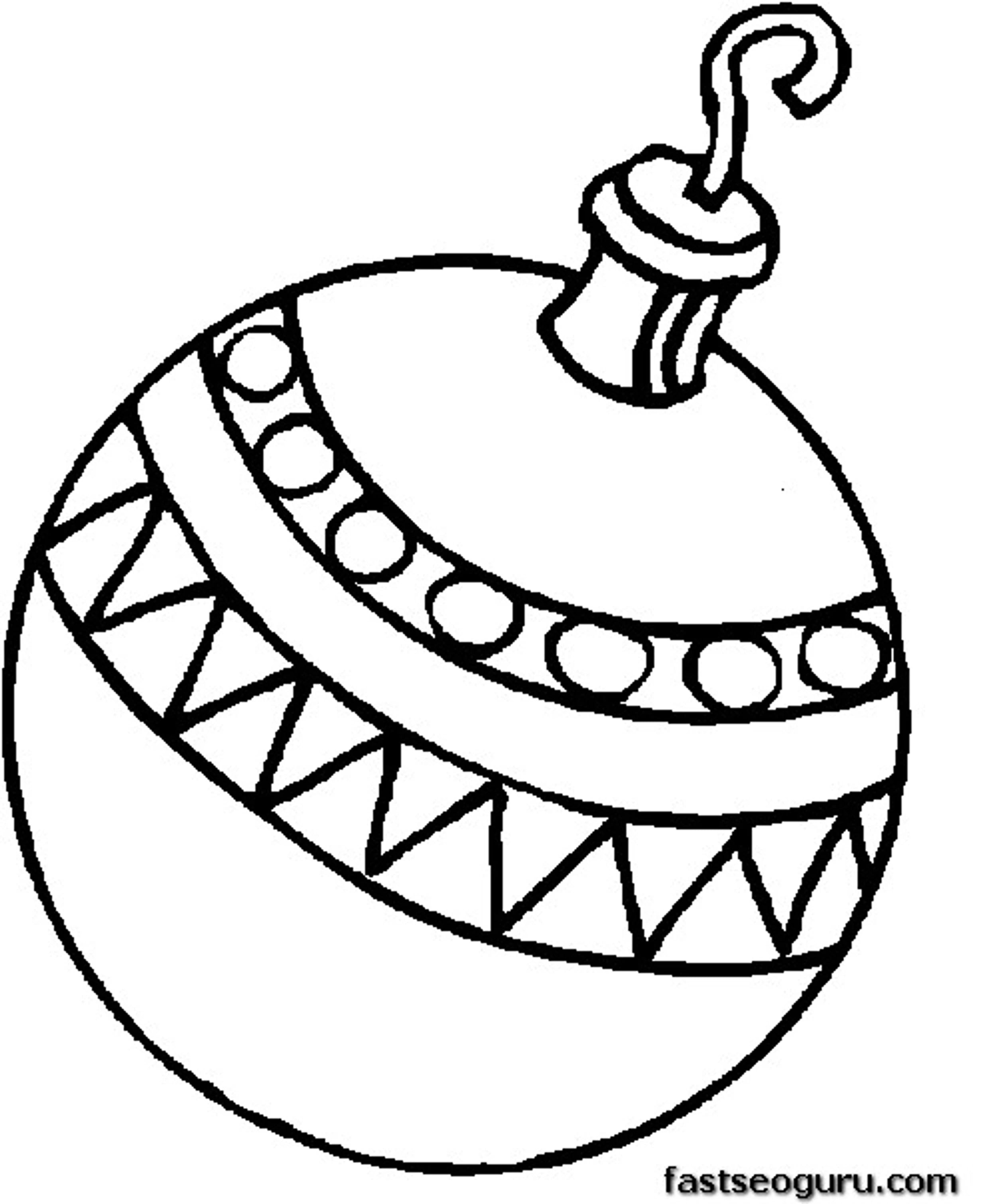
A round bauble is one of the easiest shapes for young children to color. The large, simple outline makes easy coloring pages for toddlers and preschoolers who are building grip and color skills. Children can choose their own colors and patterns, such as stripes, dots, or zigzags.
Parents and teachers can use these coloring sheets to start simple learning conversations. Ask children to count the stripes, name the colors, or find the matching pairs. These small activities turn a printable page into a gentle learning worksheet for patterns, counting, and color recognition.
How to Make Paper Ornaments
Ornament pages are a great Christmas craft. To make a paper ornament:
Print the page on white cardstock. Color the ornament with crayons, colored pencils, or markers. Cut along the outline. An adult can help with small or tricky shapes. Punch a hole near the top with a hole punch. Add ribbon or string through the hole and tie a loop. Hang it on the tree, in a window, or on a gift.
For a sturdier ornament, glue the colored page onto a piece of thin cardboard. For more craft ideas, visit our collection.
Ideas for Using Ornament Pictures at Home and in Class
Make a keepsake: Children can write their name and the year on the back, and families can keep the ornament for years.
Gifts for family: Children can make ornaments for grandparents, teachers, and friends. Hang them on gifts as gift tags.
Classroom tree: Each child colors an ornament, and the class hangs them on a paper or real tree.
Patterns and math: Ask children to color a pattern, such as red, blue, red, blue, or to count the stripes on each bauble.
Matching game: Print two copies, color them the same way, and play a matching game.
Homemade cards: Print an ornament on cardstock, color it, fold it in half, and write a message inside.
Stockings and trees: For a full Christmas scene, add .
Printing Tips
Print on white cardstock for ornaments that hold their shape. Set your printer to Fit to Page and High Quality. All pages fit US Letter (8.5 x 11 in) and A4 paper. Use red, green, gold, and silver for a classic look, or any colors you like. Glitter, stickers, and metallic markers work well too. Use child-safe scissors and let an adult punch the holes.
Short Fun Facts – Christmas Ornaments 🔔
The first decorated Christmas trees in Germany had apples, nuts, and sweets instead of shiny ornaments.
Early trees also had pastries shaped like stars, hearts, and flowers.
Glass ornaments come from the German town of Lauscha, which was known for glassblowing.
Hans Greiner is credited with making the first glass ornaments, shaped like fruits and nuts, in the 1800s.
A picture of Queen Victoria’s tree, decorated with German glass ornaments, was printed in a London newspaper in the 1840s.
In the 1880s, F. W. Woolworth began selling Lauscha glass ornaments in the United States.
William DeMuth made the first American glass ornaments in New York in 1870.
In Poland, glass ornaments are called bombki.
Ornaments can be made of glass, metal, wood, ceramics, straw, or cloth.
Why Kids Love Coloring Ornaments
Ornaments are small, bright, and fun to decorate. Coloring one lets children design their own decoration, with their favorite colors and patterns. The simple shapes are easy for beginners, and detailed ornaments give older children more to explore. Coloring builds fine motor skills, color choices, and focus, and a finished ornament can go right on the tree. That makes the craft feel special.