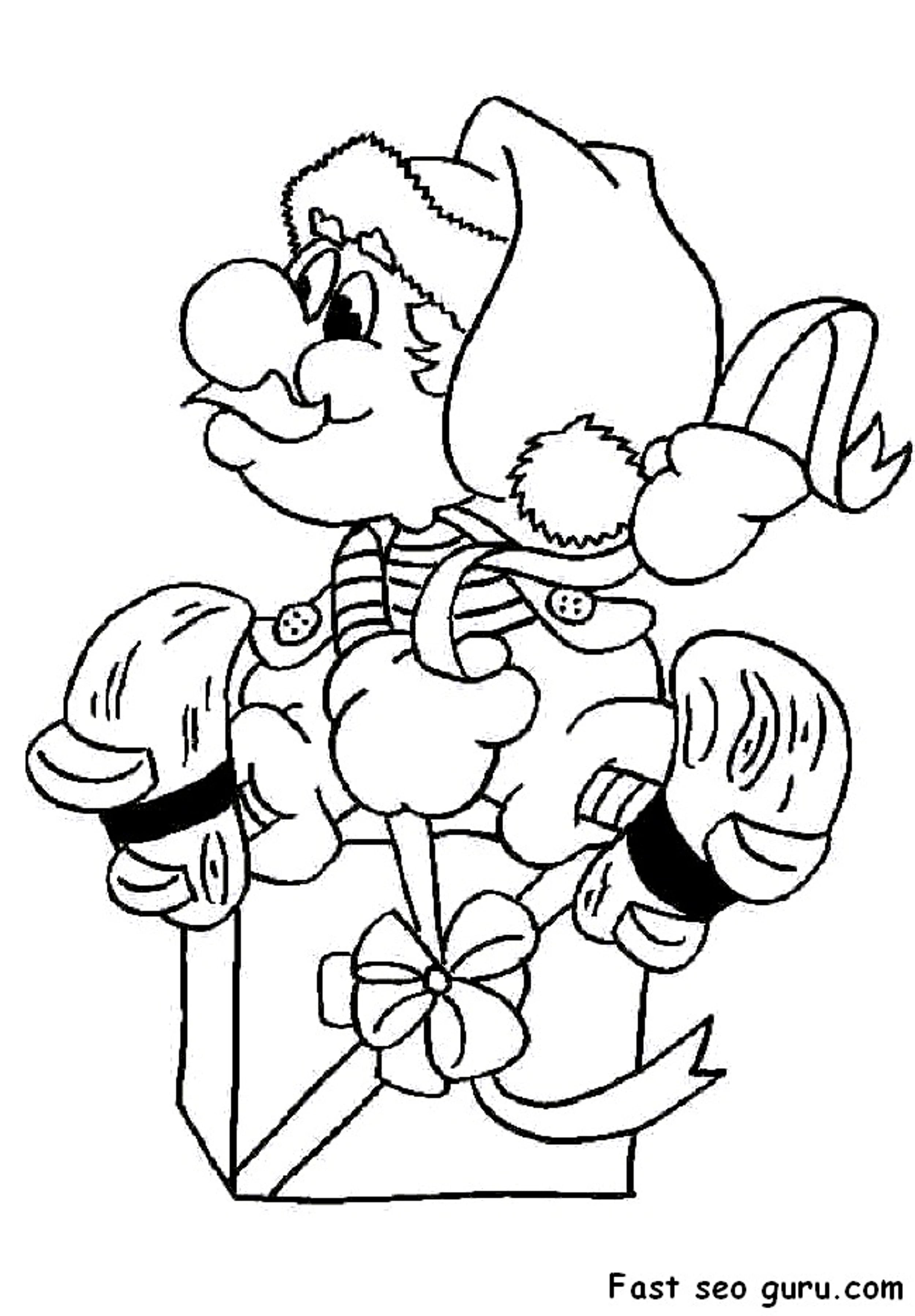
Christmas Elves – Santa’s Cheerful Helpers
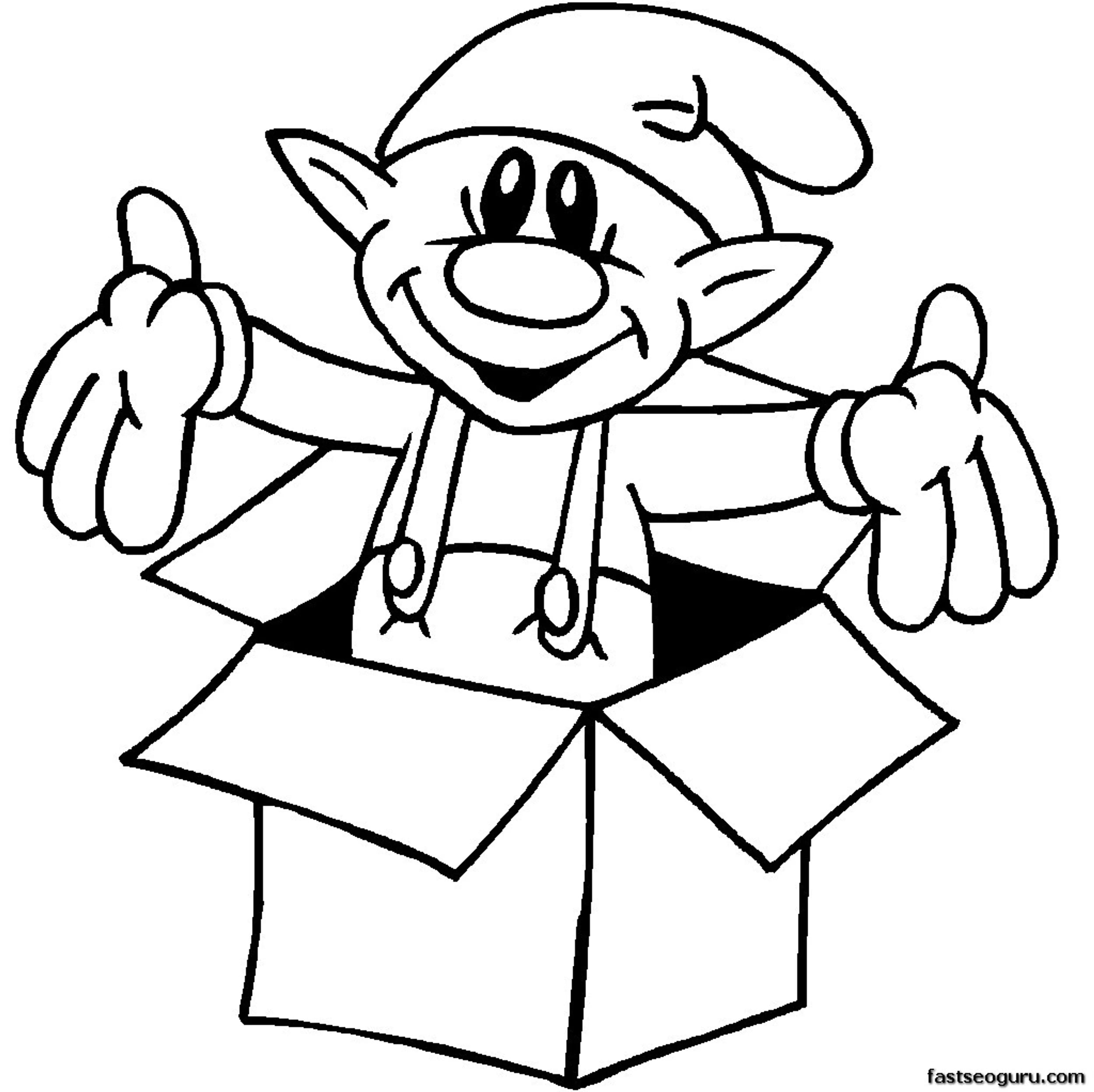
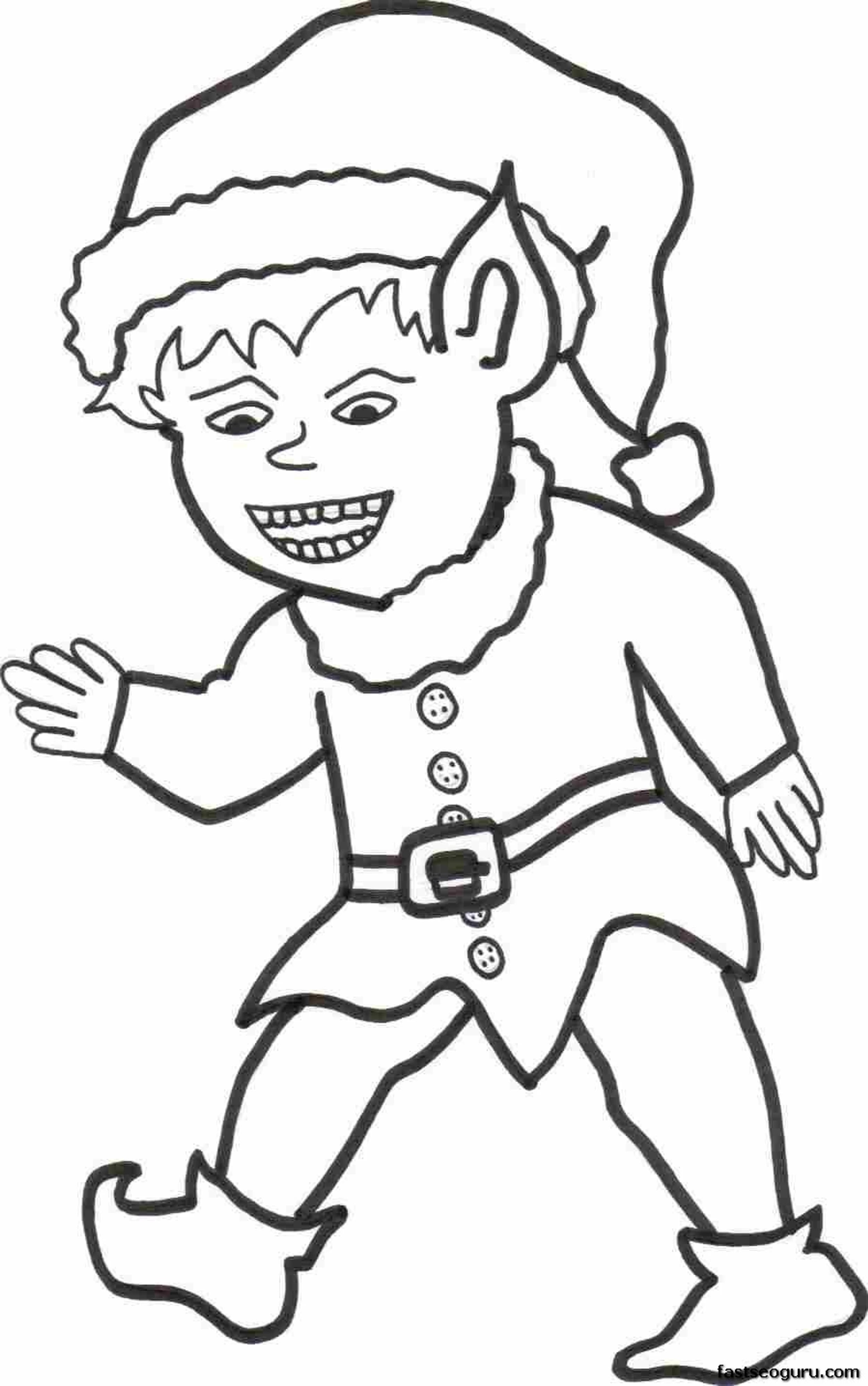
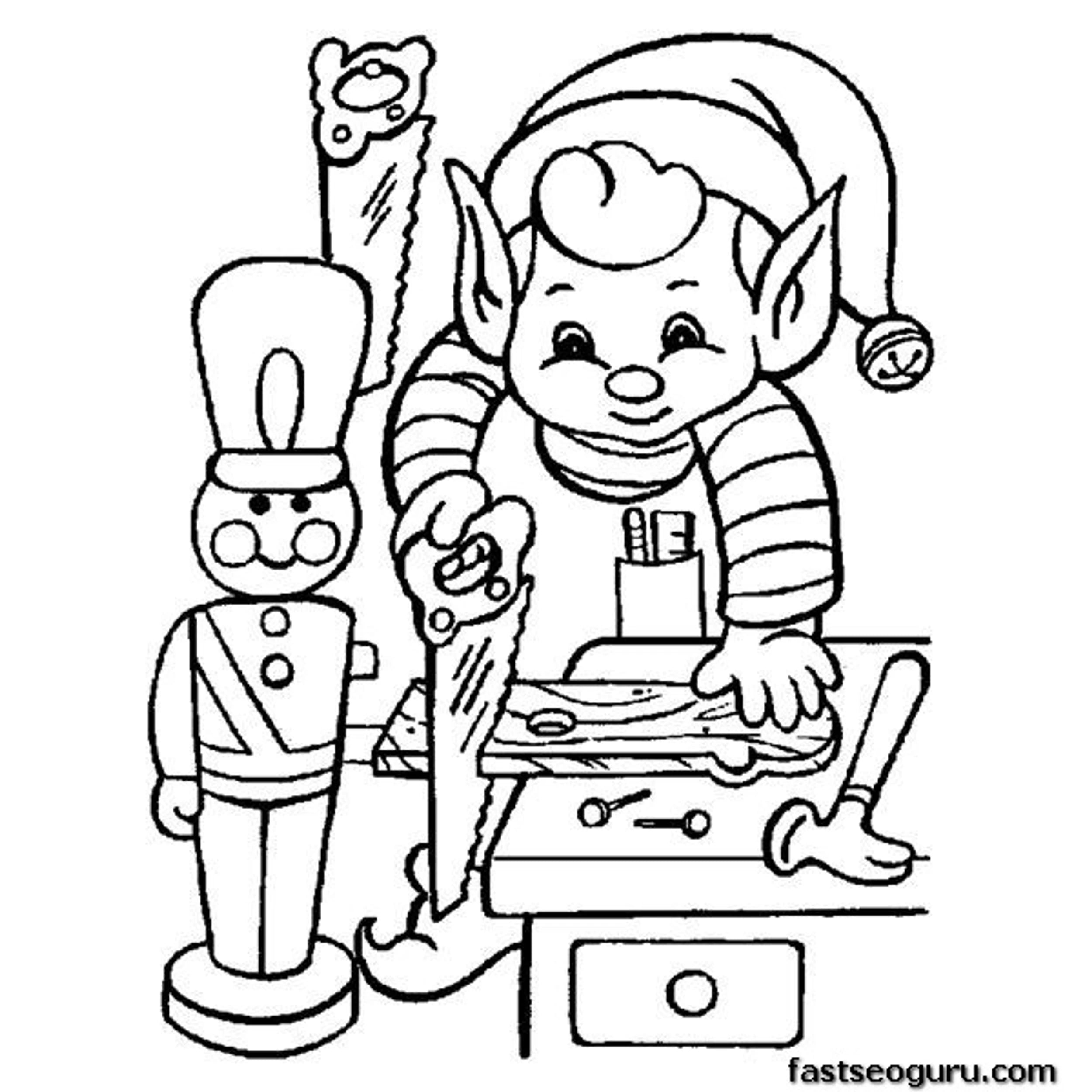
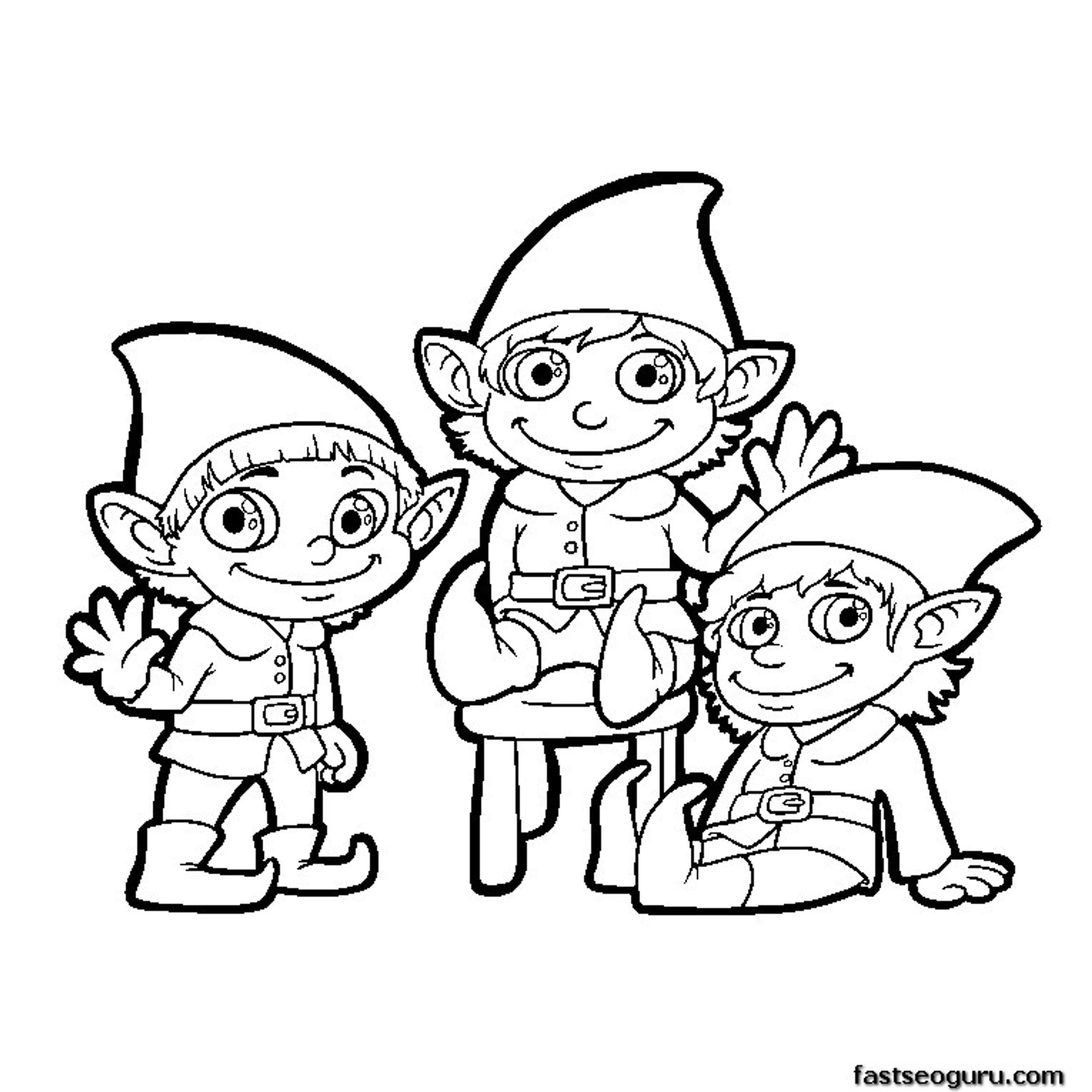
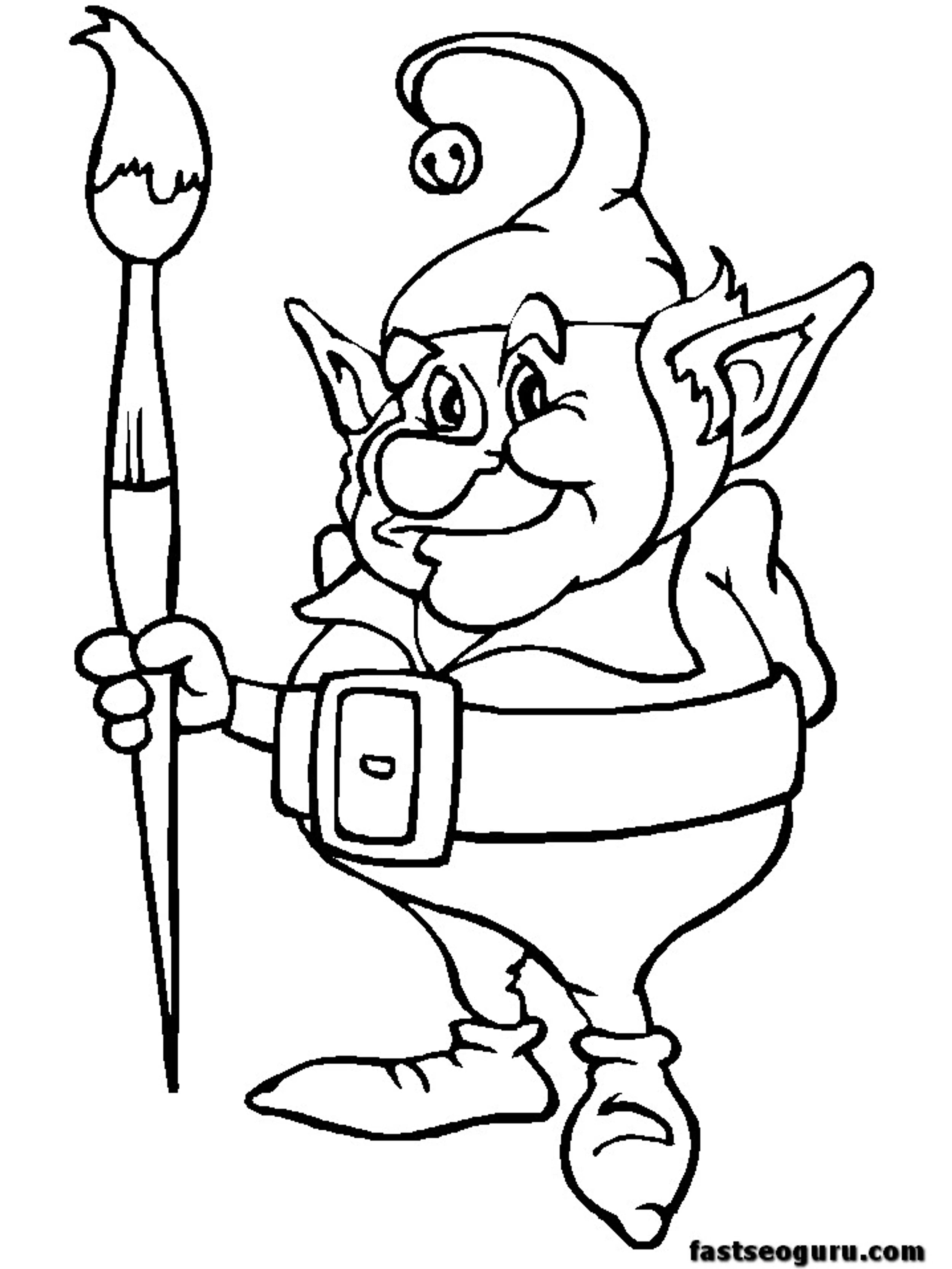
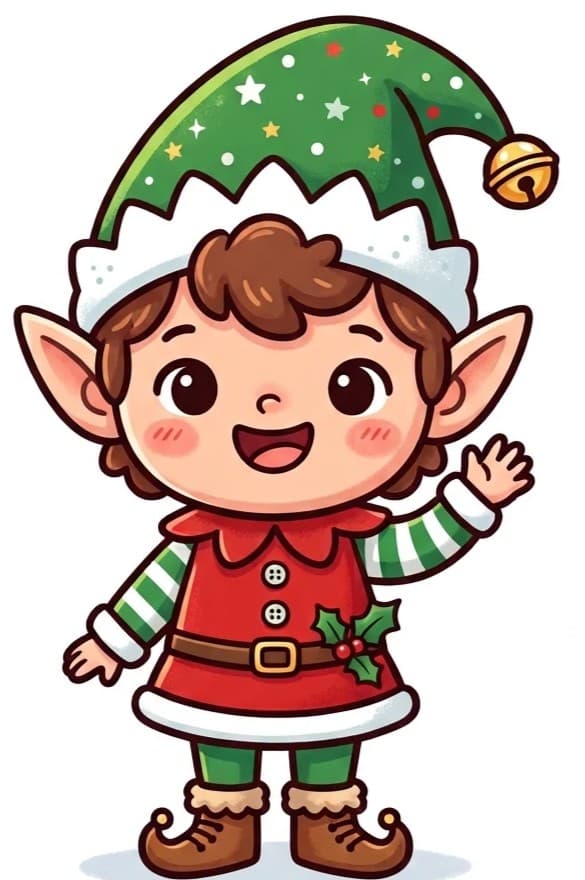
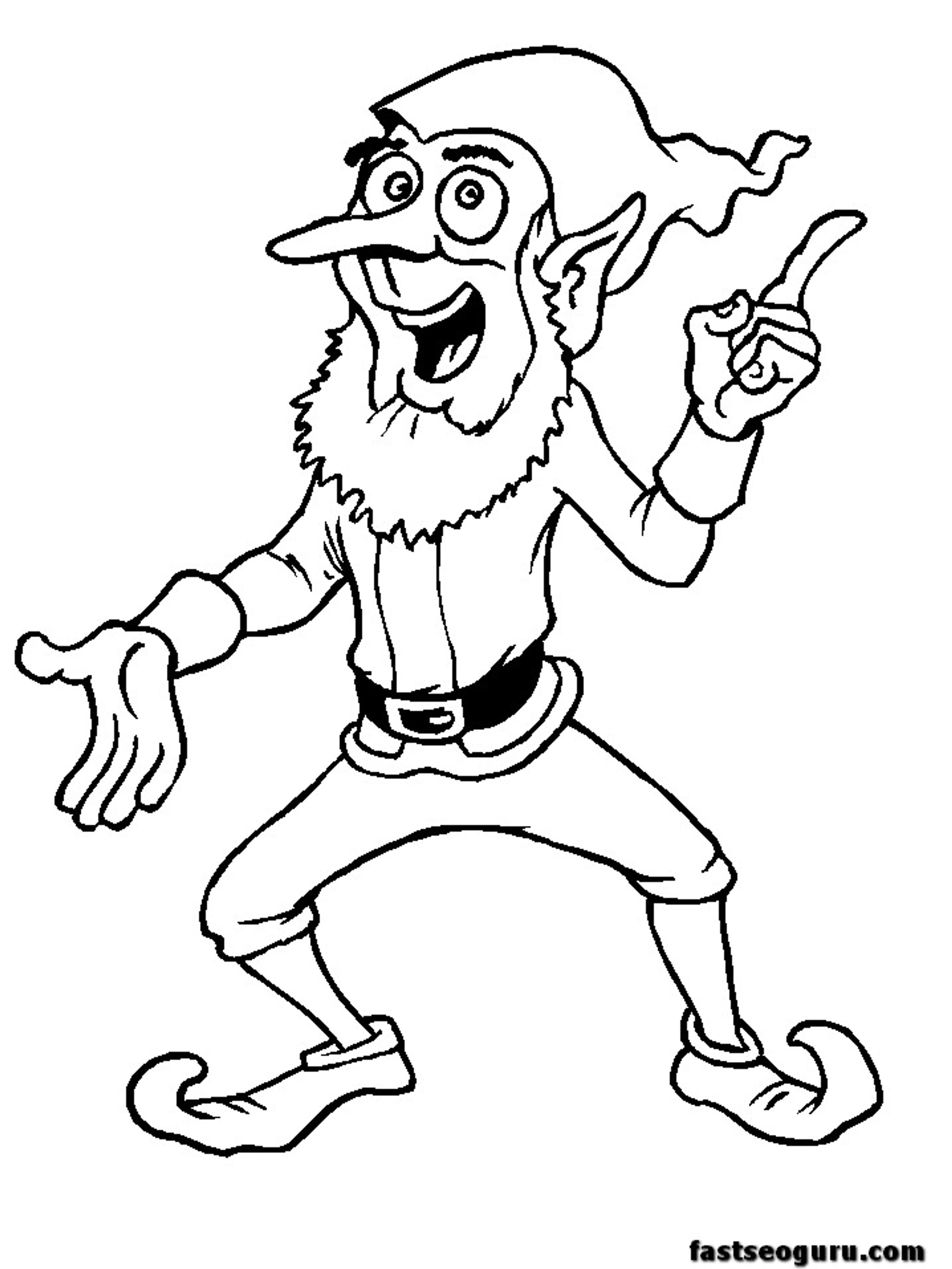
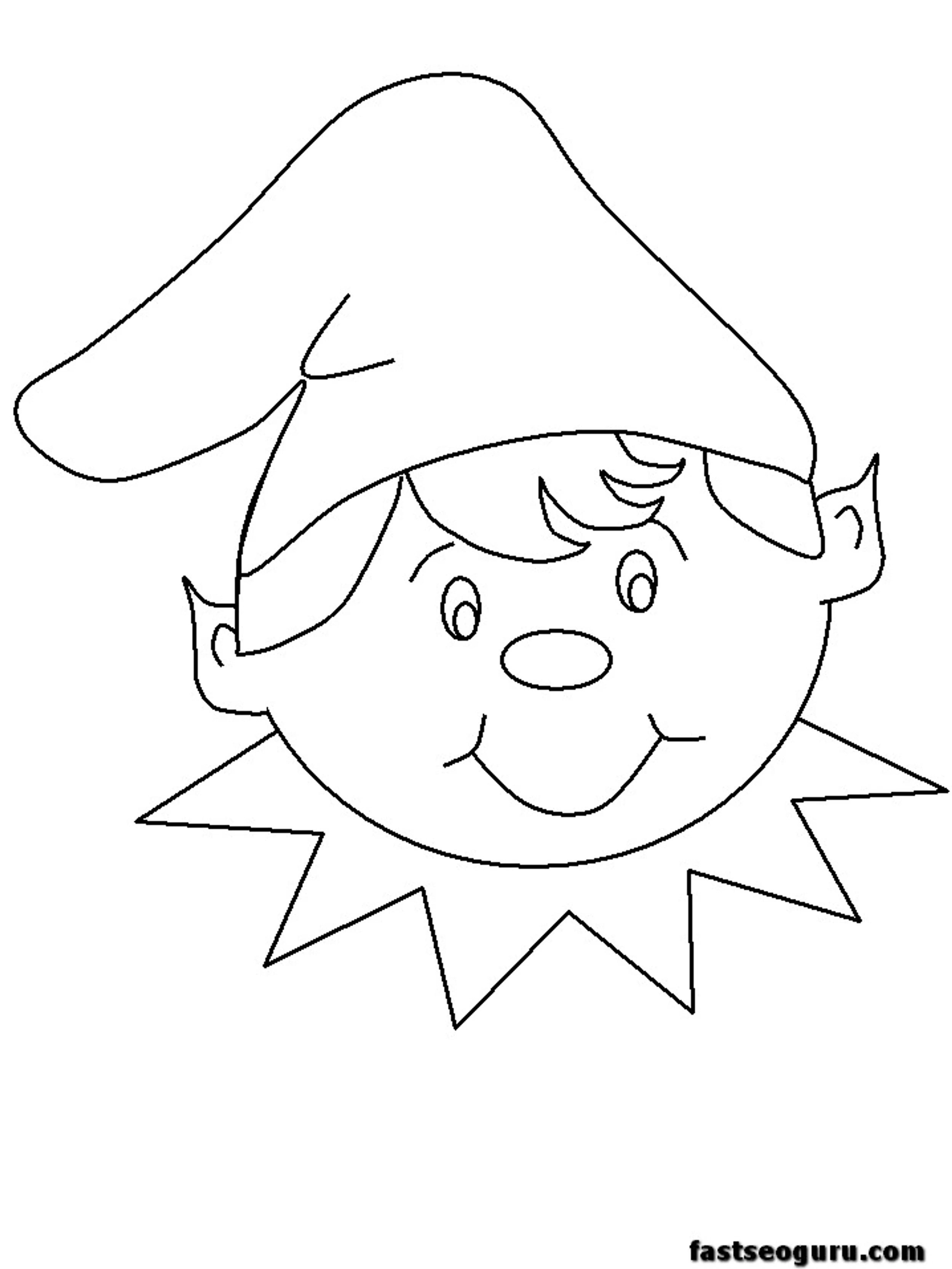
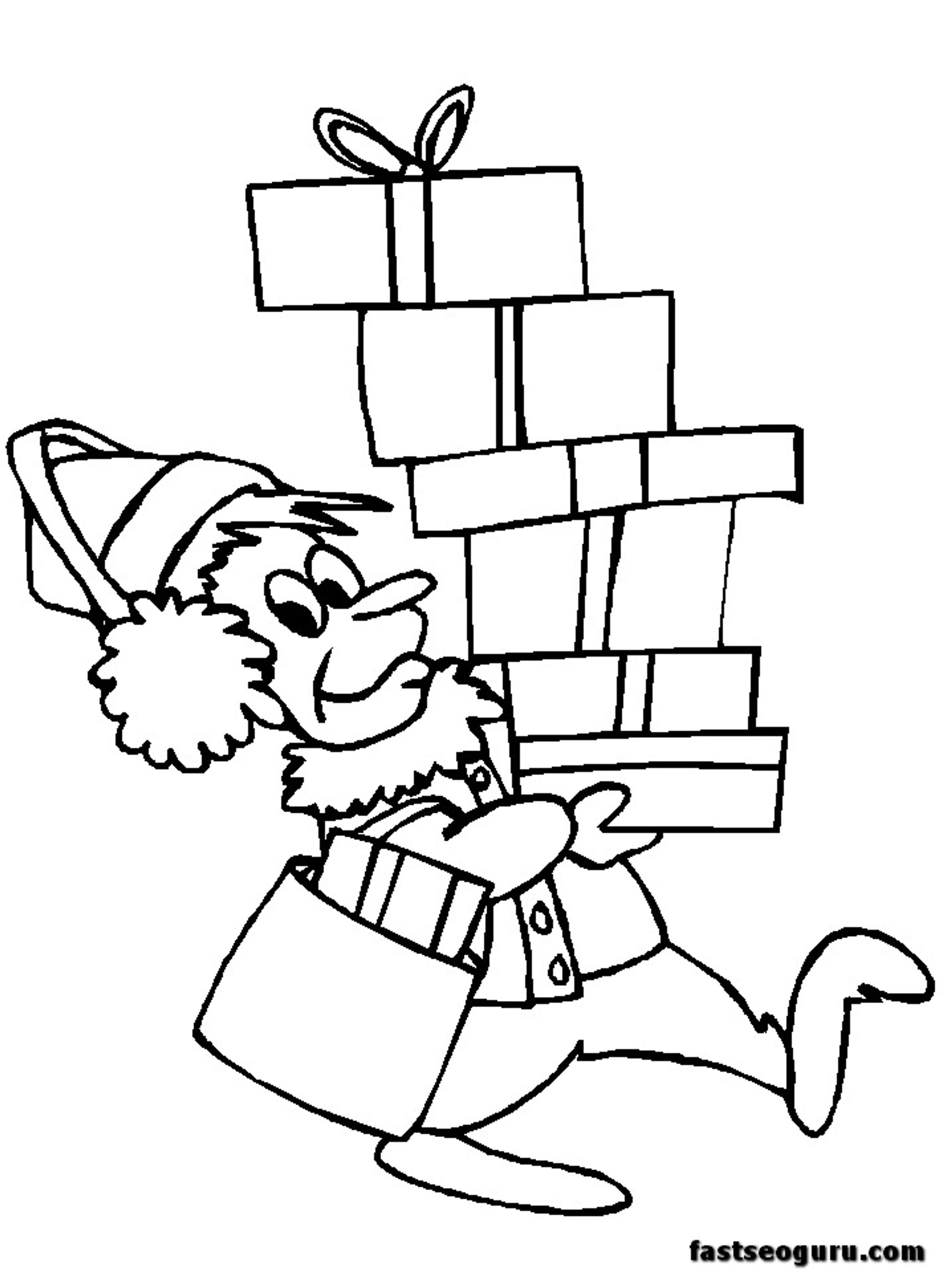
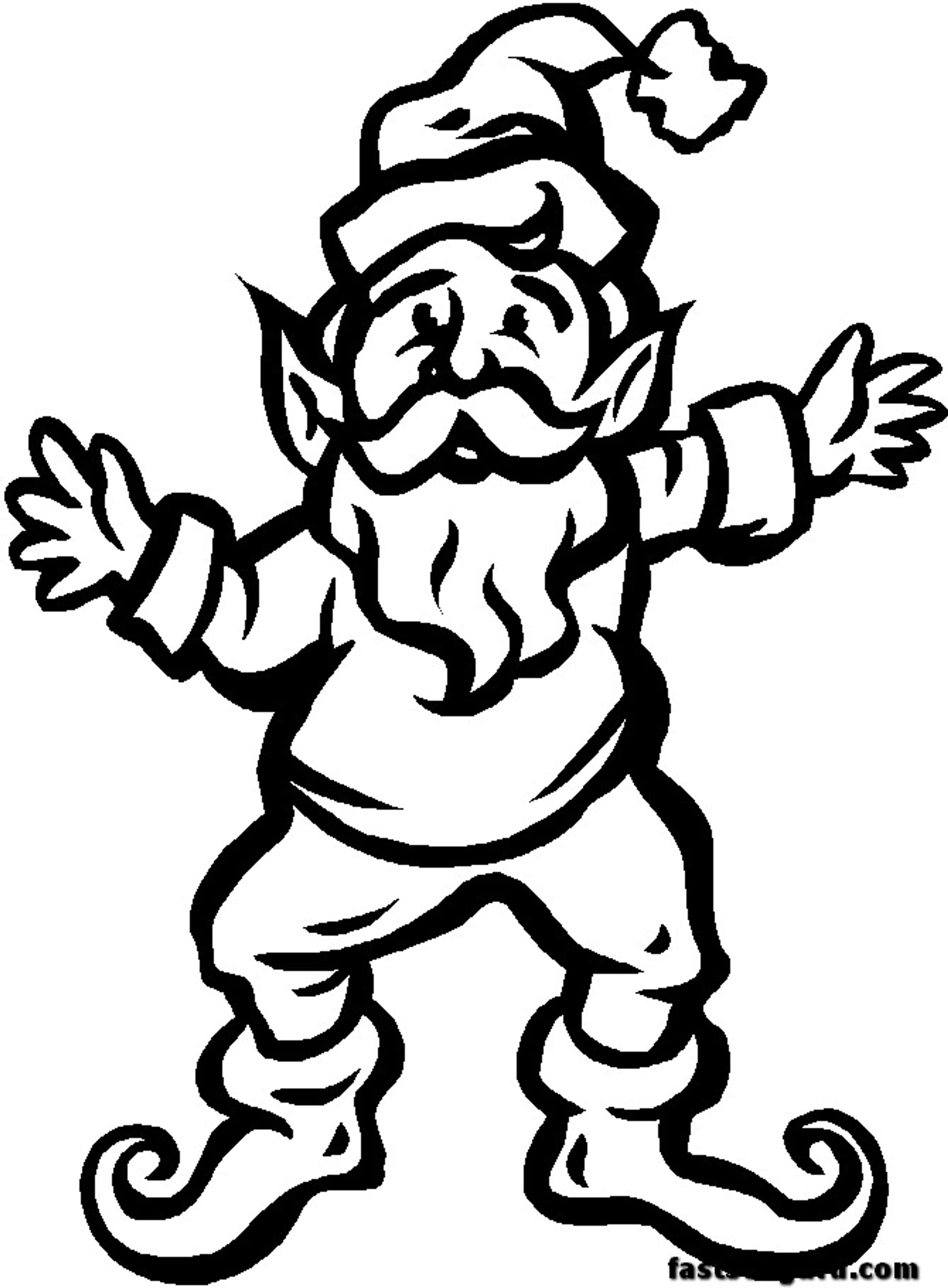
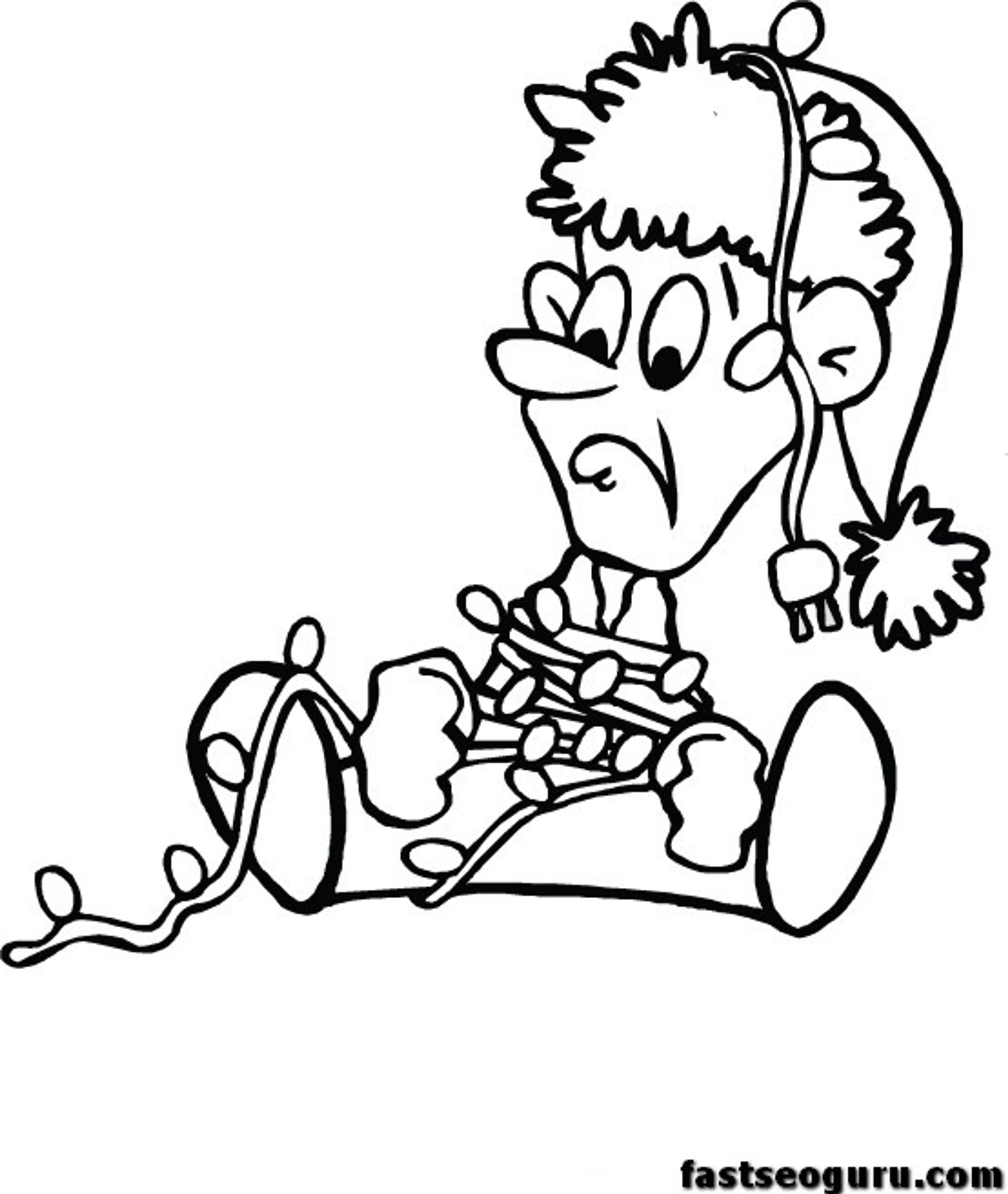
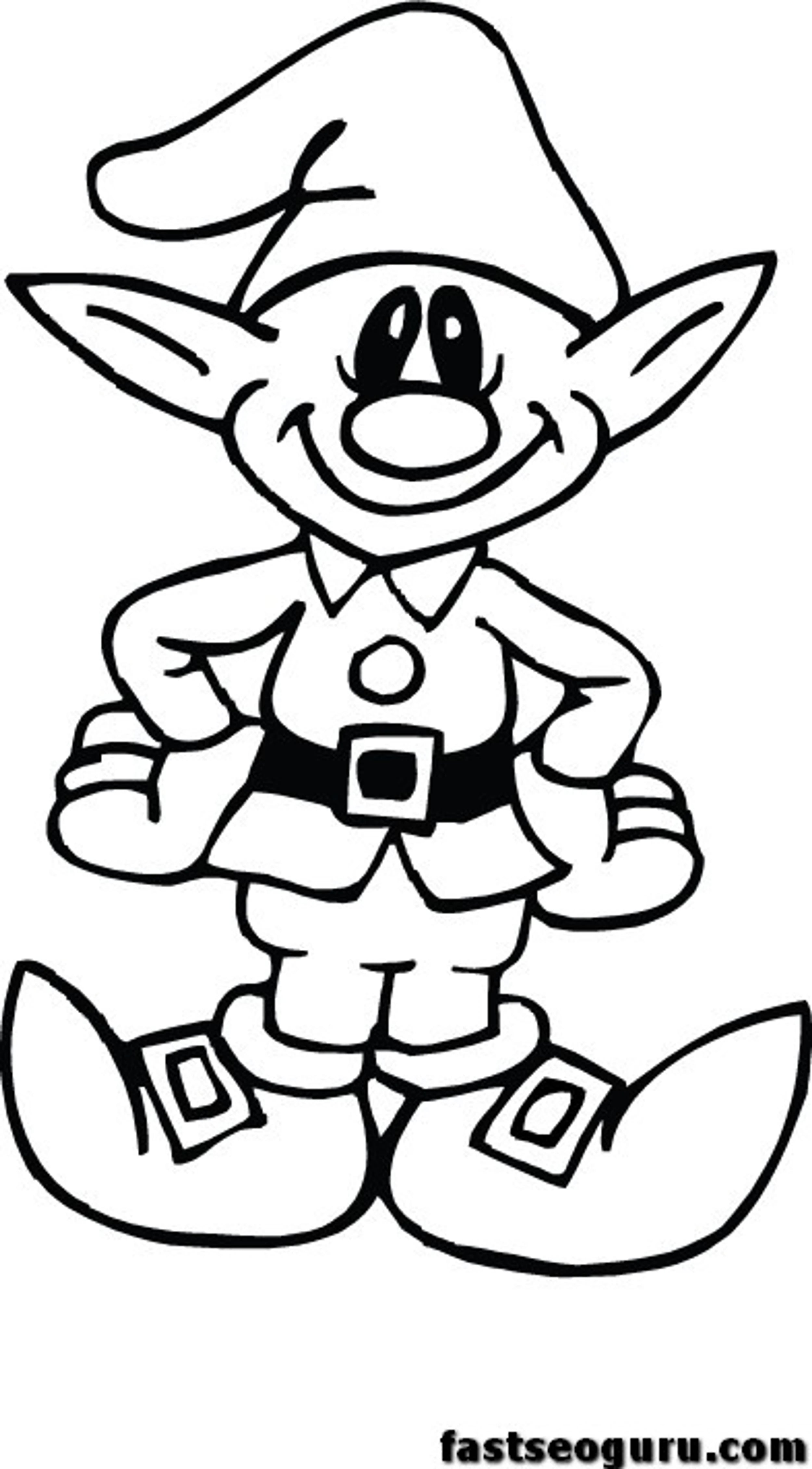
Christmas elves are Santa’s small, merry helpers. In stories, they live with Santa at the North Pole, make toys, wrap gifts, and look after the reindeer. With their pointed hats and curly-toed shoes, they are easy to recognize and fun to color. Our collection includes cute drawings to color for young children, such as a smiling elf with a gift, as well as detailed scenes with toys, candy, and decorations. Elves go well with other Christmas themes. Children who enjoy these pages often like our Santa Claus Coloring Pages and Reindeer Coloring Pages too.
Where Do Christmas Elves Come From?
Elves in Ancient Stories
The word “elf” comes from the álfar of Norse mythology. These were magical beings from old Scandinavian and Germanic stories, but they were very different from the toy-making elves we know today. In medieval Europe, elves were often seen as mischievous or even tricky.
The Nisse and the Tomte
Many ideas about Christmas elves come from Scandinavia. In Norway and Denmark, the household helper is called a nisse, and in Sweden a tomte. These small, bearded figures were said to protect the farm and home. In the early 1800s, nisse and tomte became linked with Christmas and the giving of presents.
Elves Join Santa
The idea of elves helping Santa is fairly modern. In the 1823 poem “A Visit from St. Nicholas,” Santa himself is called a “jolly old elf.” Writer Louisa May Alcott, who also wrote Little Women, wrote a book called Christmas Elves in the 1850s, though it was never published. In 1873, the cover of the magazine Godey’s Lady’s Book showed Santa with elves busy making toys. Later, from 1879 to 1886, cartoonist Thomas Nast drew Santa’s North Pole workshop with a busy community of elves. These pictures helped shape the picture of Santa’s elves that we know today.
What Do Santa’s Elves Do?
In Christmas stories, Santa’s elves have many jobs. They make toys in Santa’s workshop, wrap presents, and care for the reindeer. Different stories give them different tasks, so children can use their imagination. Kids can invent their own elf, with a name, a job, and a favorite toy.
Elves Around the
Santa’s helpers have different names in different places. In Norway and Denmark, a Christmas helper is called a nisse. In Sweden he is a tomte, and in Finland a tonttu. In many English-speaking countries, they are called elves. These different names show how Christmas traditions travel and change.
Easy Elf Pictures to Color for Preschool and Toddlers
Elves are fun for young children to color because of their bright, simple outfits. The pointed hat, big smile, and curly shoes make easy coloring pages for toddlers and preschoolers who are building grip and color skills. Children can choose their own colors for the hat, jacket, and shoes. Parents and teachers can use these coloring sheets to start simple learning conversations. Ask children to count the toys, name the colors of the hat, or find the biggest present. These small activities turn a printable page into a gentle learning worksheet for counting, colors, and vocabulary.
Ideas for Using Elf Pictures at Home and in Class
Design your own elf: Let children color an elf, then give it a name, a job, and a special skill.
Santa’s workshop stories: Ask children what toys their elf makes, then write or draw a short story about it.
Count and sort: Count the toys and presents, or sort them by color. Children can also add gifts from .
Elf hat craft: Color a pointed paper hat, cut it out, and tape it into a cone.
baking helpers: Pair elf pictures with for a workshop and bakery theme.
Homemade cards: Print an elf page on cardstock, color it, fold it in half, and write a message inside.
Classroom activities: Teachers can use elf pages as activity stations, early finisher tasks, and creative writing prompts. For more practice, add .
Printing Tips
Print on white cardstock for cards, hats, and decorations. Set your printer to Fit to Page and High Quality. All pages fit US Letter (8.5 x 11 in) and A4 paper. Use red and green for the outfit, gold for belts and bells, and peach or tan for the face. Kids can use any colors they like, and a purple elf is just as creative.
Short Fun Facts – Christmas Elves 🧝
The word “elf” comes from the álfar of Norse mythology.
In Norway and Denmark, the Christmas helper is called a nisse, and in Sweden a tomte.
The nisse and tomte were said to protect the farm and home.
In the 1823 poem “A Visit from St. Nicholas,” Santa himself is called a “jolly old elf.”
Louisa May Alcott wrote a book called Christmas Elves in the 1850s, but it was never published.
The 1873 cover of Godey’s Lady’s Book showed Santa with elves making toys.
Cartoonist Thomas Nast drew Santa’s North Pole workshop with elves between 1879 and 1886.
In stories, Santa’s elves make toys, wrap gifts, and care for the reindeer.
In Finland, a Christmas helper is called a tonttu.
Why Kids Love Coloring Elves
Elves are playful, cheerful, and full of imagination. Coloring one lets children design their own helper, with their favorite colors, hats, and shoes. The simple shapes are easy for beginners, and detailed pictures give older children more to explore. Coloring builds fine motor skills, color choices, and focus, and children can also invent stories about what their elf does.