Christmas Gifts – The Joy of Giving
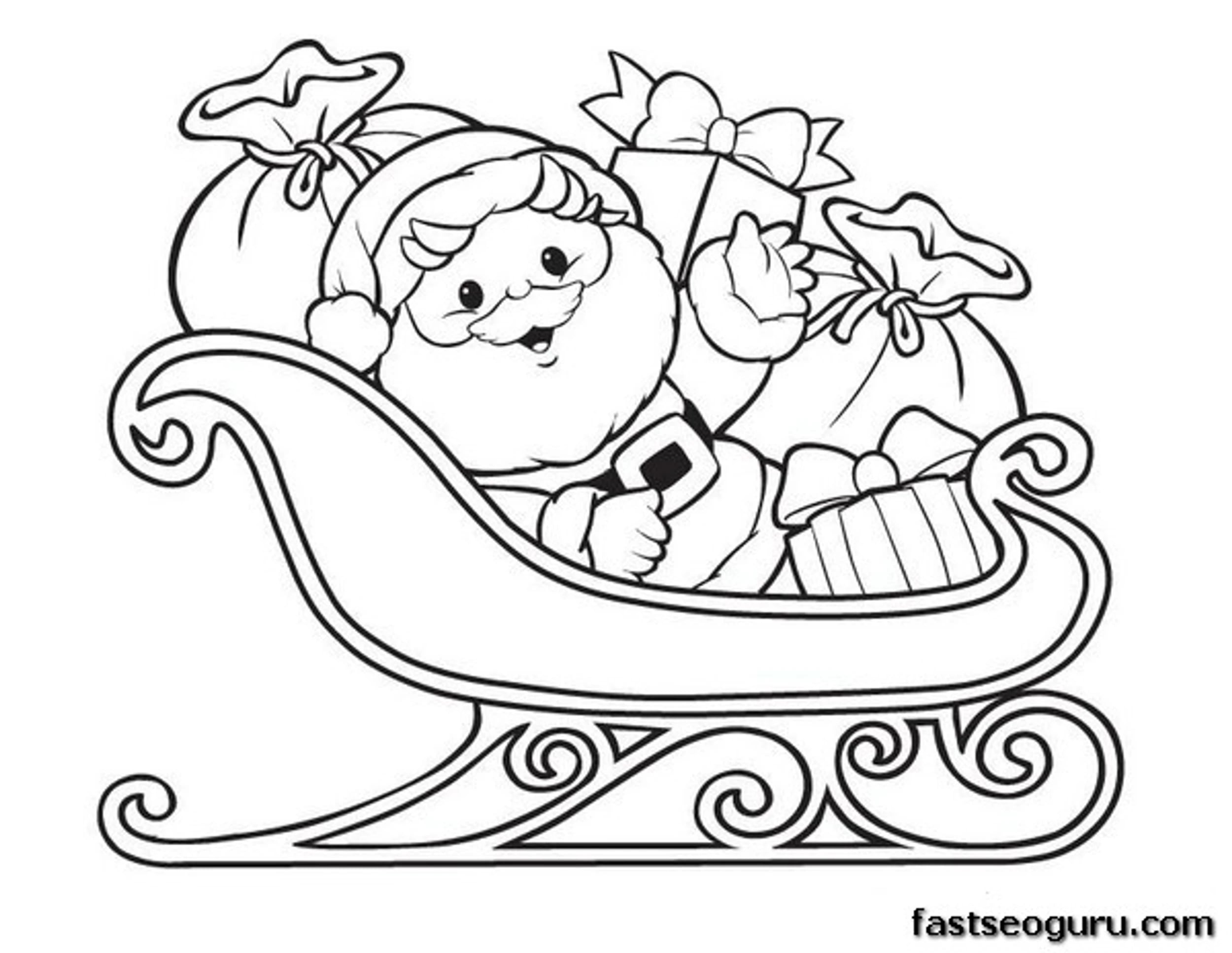
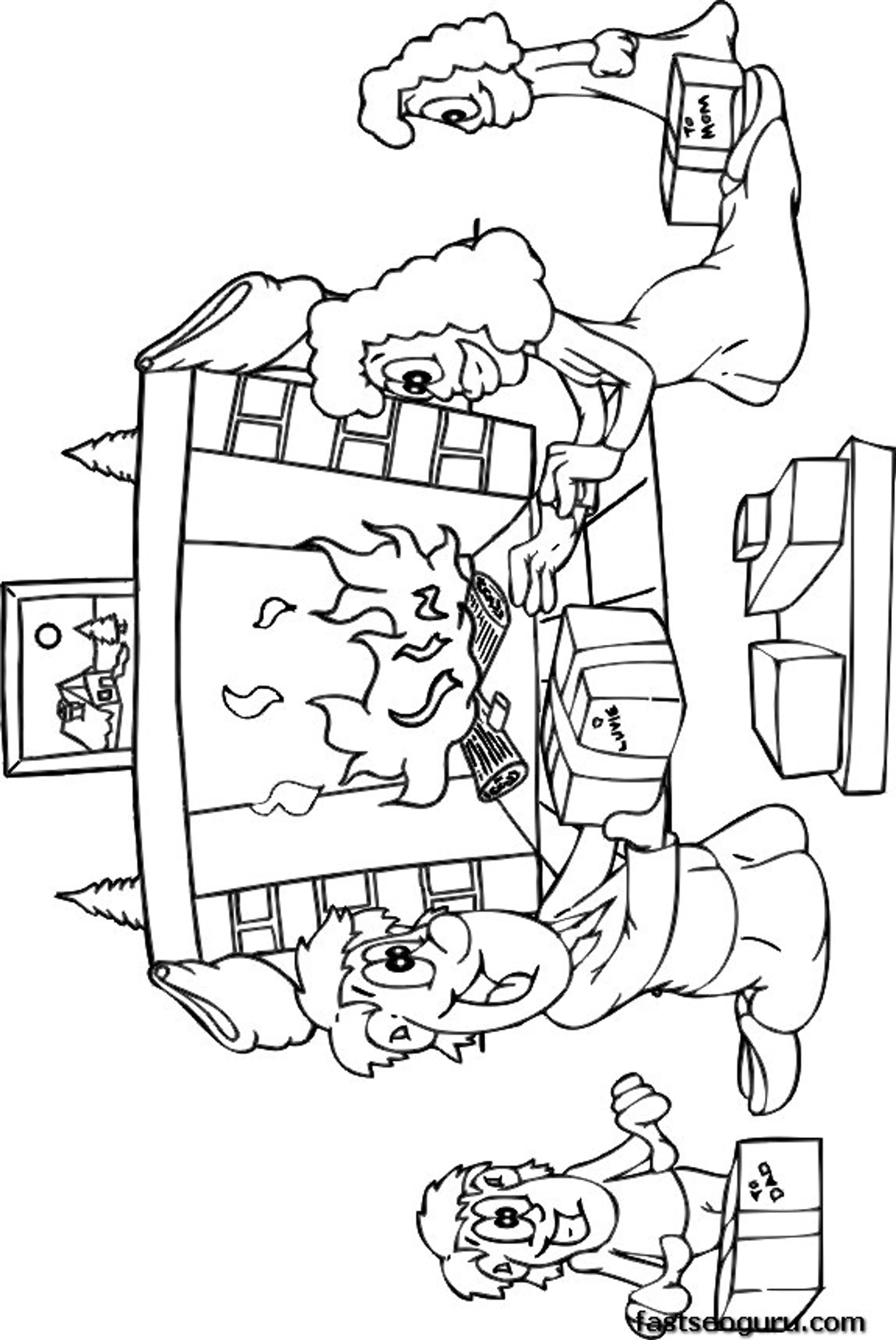
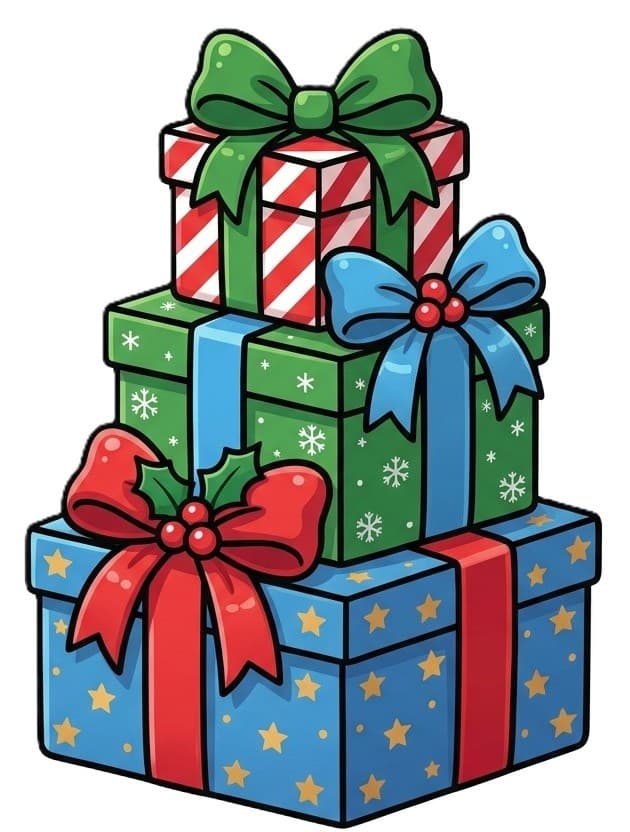
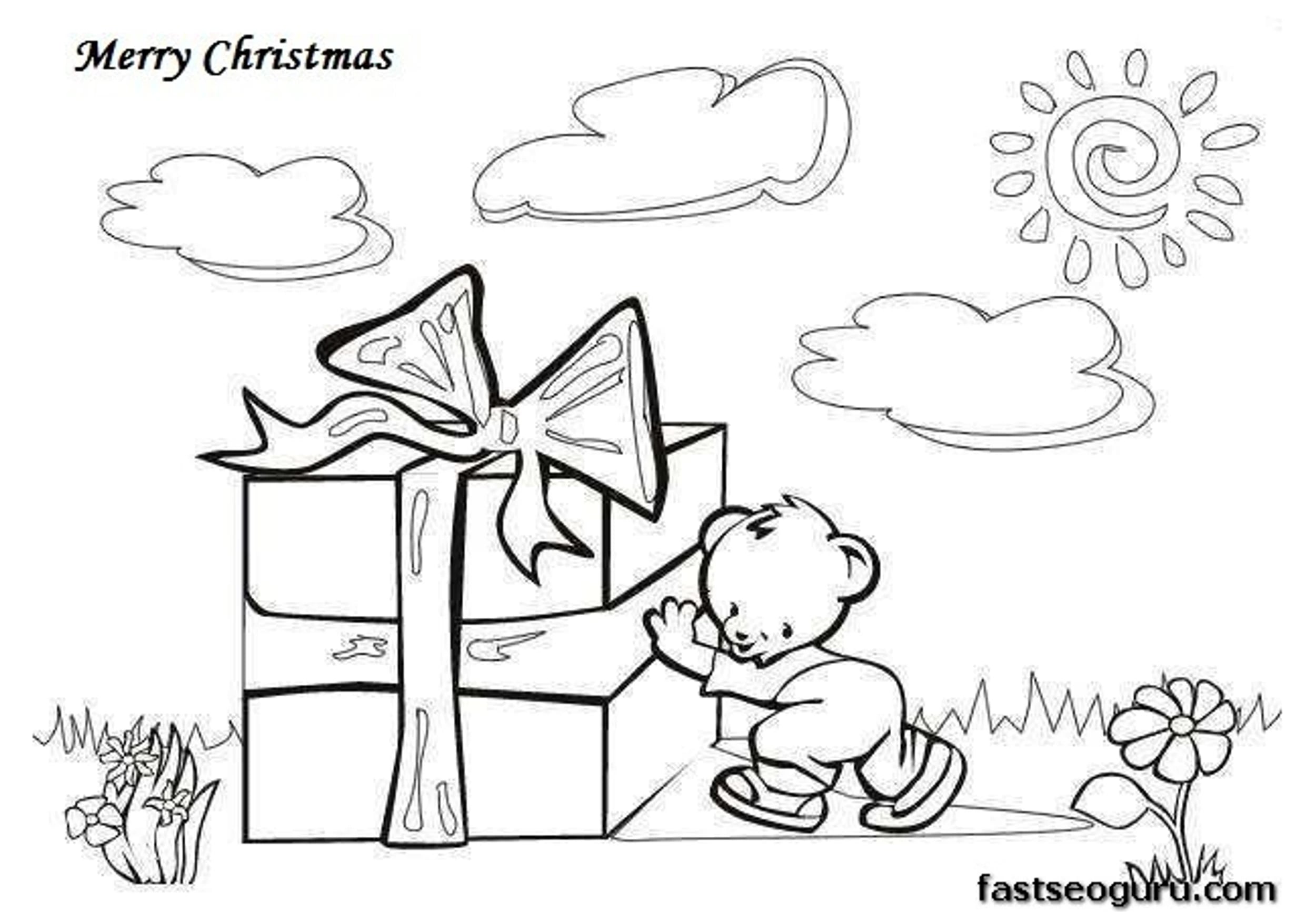
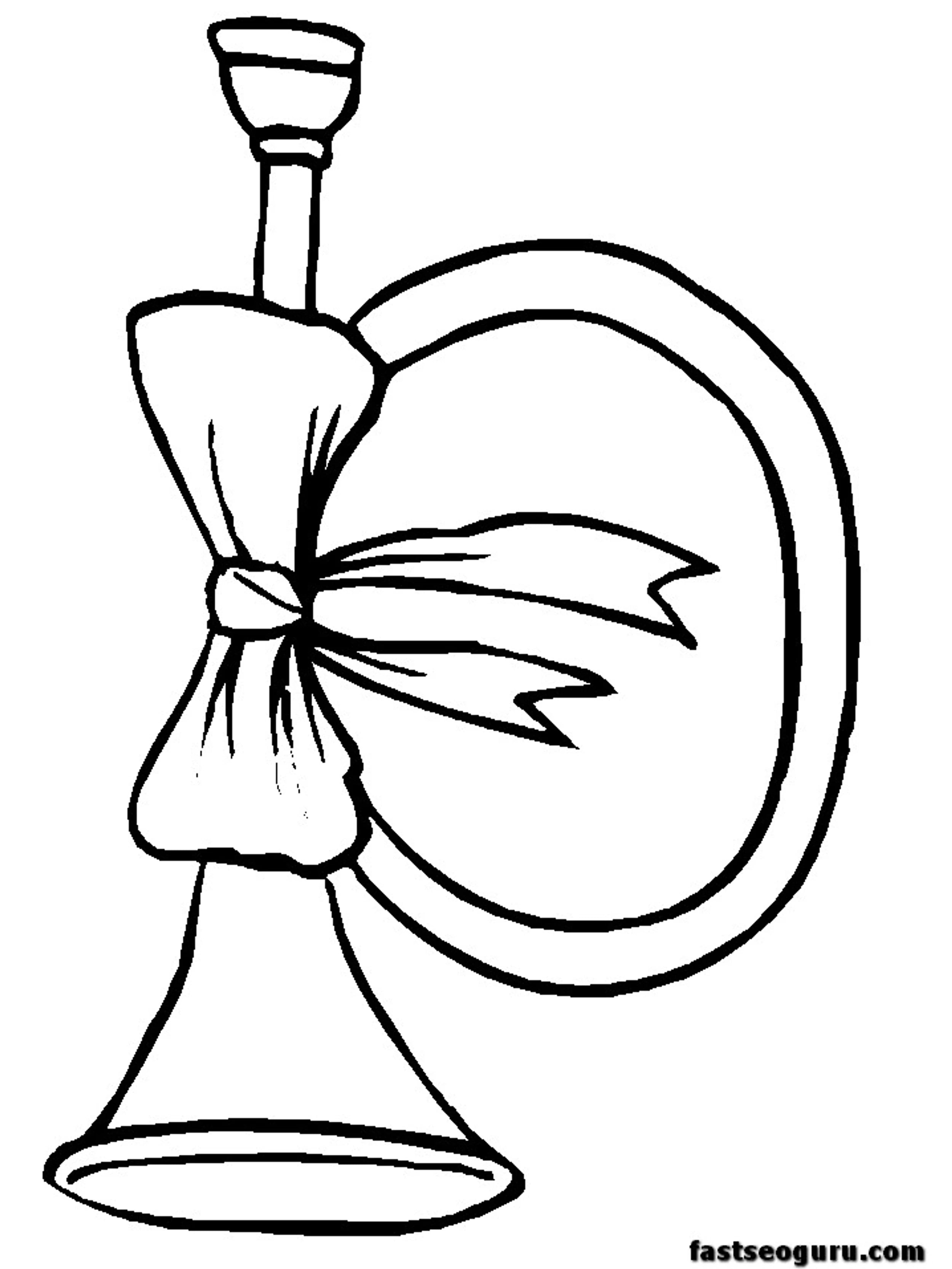
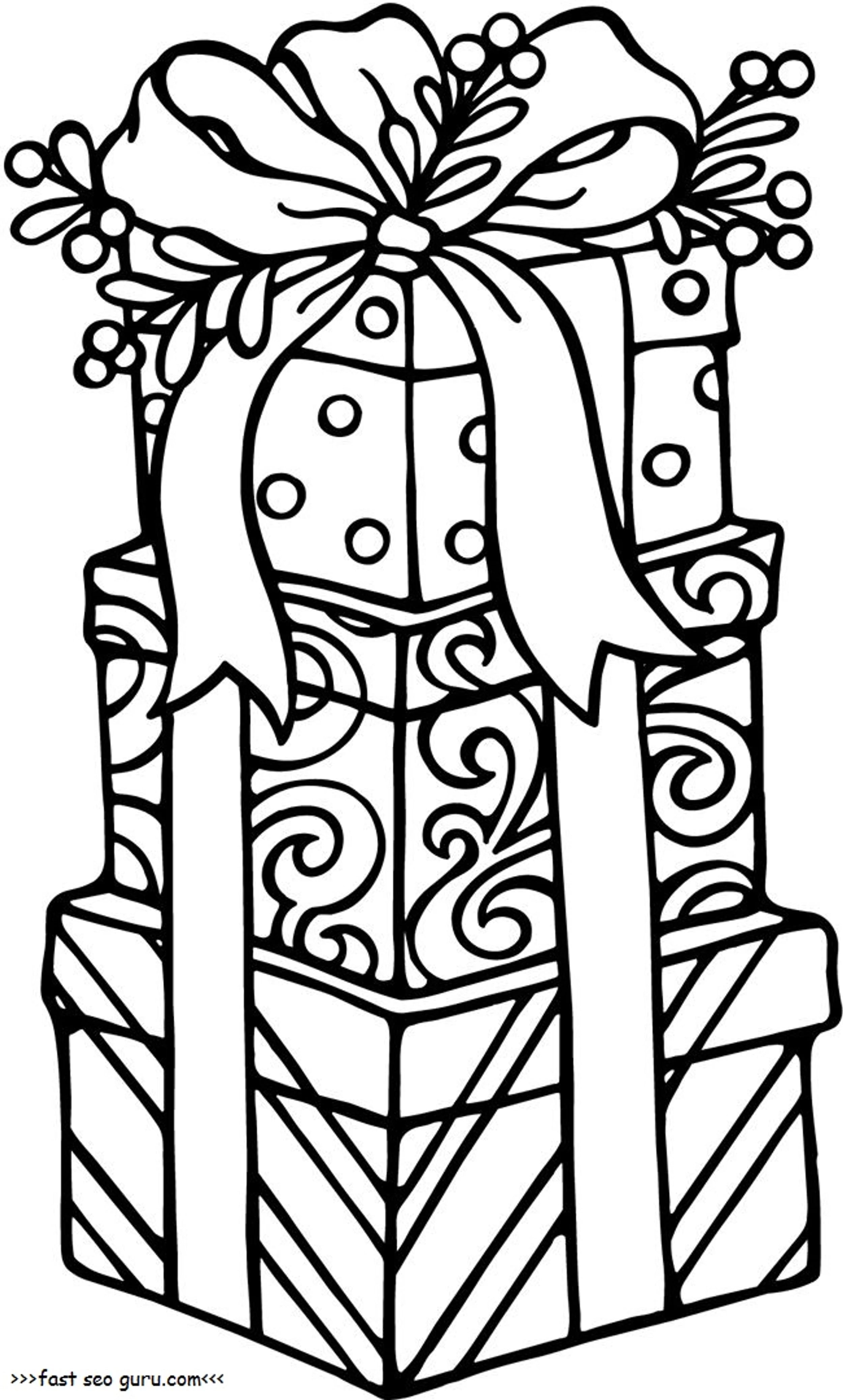
For many children, a pile of wrapped presents under the tree is one of the most exciting parts of Christmas. Bright paper, shiny ribbons, and big bows make gifts a joy to look at, and a joy to color. Our collection includes cute drawings to color for young children, such as a single present with a big bow, as well as detailed pictures with stacks of gifts, ribbons, and gift tags.
Gifts go well with other Christmas themes. Children who enjoy these pages often like our Christmas Tree Coloring Pages and Santa Claus Coloring Pages too.
The History of Christmas Gifts
Winter Festivals and Saturnalia
Giving gifts is much older than Christmas. In ancient Rome, the winter festival of Saturnalia was held from December 17 to 23, and it may have included gift-giving. The gifts were often small and simple, such as candles and little tokens. As Christmas grew, some winter customs became part of it.
The Gifts of the Wise Men
Christians link Christmas gifts to the wise men, or Magi, in the Gospel of Matthew. They followed a star and brought gifts of gold, frankincense, and myrrh. The story is told in our Nativity Coloring Pages. The Magi’s visit is celebrated on January 6, the day called Epiphany.
St. Nicholas and Santa
The kind bishop St. Nicholas, who inspired Santa Claus, was known for giving gifts in secret. Children in many countries received gifts on St. Nicholas Day, December 6. Over time, gift-giving moved closer to Christmas, and Christmas Eve and Christmas Day became the main days for giving presents.
Boxing Day
In many English-speaking countries, the day after Christmas is called Boxing Day. It grew out of St. Stephen’s Day, and traditionally people gave gifts to workers and others who served them during the year. Today it is also a popular day for shopping and sports events.
The History of Gift Wrapping
Wrapping in Ancient China
Wrapping gifts is a very old tradition. In China, around the 2nd century, people used handmade paper to wrap gifts and a decorative paper envelope called a chih pao for gifts of money.
A Happy Accident in 1917
For a long time, Western Christmas gifts were wrapped in plain tissue or brown paper. Everything changed in 1917, when the Hall brothers ran out of tissue paper at their stationery store in Kansas City, Missouri. They sold decorative French envelope-lining paper instead, and it sold out quickly. By 1919, they were printing their own wrapping paper. Their company became Hallmark.
Bows and Ribbons
Bows came a bit later. In the 1930s, factories began making bows, so people could add a bright decoration to any wrapped gift.
Easy Gift Pictures to Color for Preschool and Toddlers
A wrapped present is one of the easiest shapes for young children to color. The box, ribbon, and bow give clear areas to fill, which makes easy coloring pages for toddlers and preschoolers who are building grip and color skills. Children can choose their own wrapping paper patterns, such as stripes, dots, or stars.
Parents and teachers can use these coloring sheets to start simple learning conversations. Ask children to count the presents, name the shapes of the boxes, or find the biggest and smallest gift. These small activities turn a printable page into a gentle learning worksheet for counting, shapes, and size comparison.
Ideas for Using Gift Pictures at Home and in Class
Design your own wrapping paper: Let children color a gift with patterns, such as stripes, dots, or snowflakes.
Gift tags: Color small presents, cut them out, and write names on the back to use as gift tags.
Size and shape games: Ask children to find the biggest, smallest, tallest, or roundest present.
Count and sort: Count the presents or sort them by color.
Gifts of kindness: Talk about gifts that cannot be wrapped, such as a hug, a helping hand, or a kind word. Children can draw or color a gift they want to give someone special.
Thank-you notes: After Christmas, children can color a gift picture and write a thank-you note on the back.
Homemade cards: Print a gift page on cardstock, color it, fold it in half, and write a message inside.
Classroom activities: Teachers can use gift pages for activity stations, early finisher tasks, and lessons on giving and gratitude. For a full scene, add or .
Printing Tips
Print on white cardstock for cards and gift tags. Set your printer to Fit to Page and High Quality. All pages fit US Letter (8.5 x 11 in) and A4 paper. Use red, green, gold, and silver for a classic look, or any colors you like. A rainbow-striped present is just as creative.
Short Fun Facts – Christmas Gifts 🎁
Gift-giving is much older than Christmas. Ancient Romans may have exchanged small gifts during Saturnalia, held December 17 to 23.
In the Gospel of Matthew, the wise men brought gold, frankincense, and myrrh.
In some places, gifts are given on Christmas Eve, on December 6 (St. Nicholas Day), or on December 25.
In ancient China, people wrapped gifts in handmade paper around the 2nd century.
For a long time, Western Christmas gifts were wrapped in plain tissue or brown paper.
In 1917, the Hall brothers ran out of tissue paper and sold decorative French envelope-lining paper, which quickly sold out.
By 1919, the Hall brothers were printing their own wrapping paper.
In the 1930s, bows began to be made in factories.
Boxing Day, the day after Christmas, grew out of St. Stephen’s Day.
Why Kids Love Coloring Gifts
Presents are exciting, colorful, and full of surprise. Coloring a gift lets children design the wrapping paper and bow they imagine. The simple shapes are easy for beginners, and detailed gift piles give older children more to explore. Coloring builds fine motor skills, color choices, and focus, and finished pages can become gift tags or cards.